a picture opened over the page: one spring, pinch, swipe, wheel, every key
npx shadcn add @ag/lightboxAlready installed? Preview an update
npx shadcn add @ag/lightbox --dry-runYour installed source stays unchanged until you update it. How updates work
Latest changes · 2026-10-15
onTrace: every line the lightbox's debug trace writes, handed to a function as well, for a page that shows or keeps them.- A click or tap beside a zoomed picture zooms it back to fit, as Escape does (the next one closes, as at fit). It did nothing before.
also called image zoom, image viewer, photo viewer
shelf media
comes with lightbox-motion, lightbox-actions
uses copy, video, thumb-strip, edge-arrows, key-router
used by avatar-portrait
the demo above, verbatim
"use client"
import * as React from "react"
import { useDebug } from "@/app/debug"
import { Sample } from "@/app/samples"
// #region assets
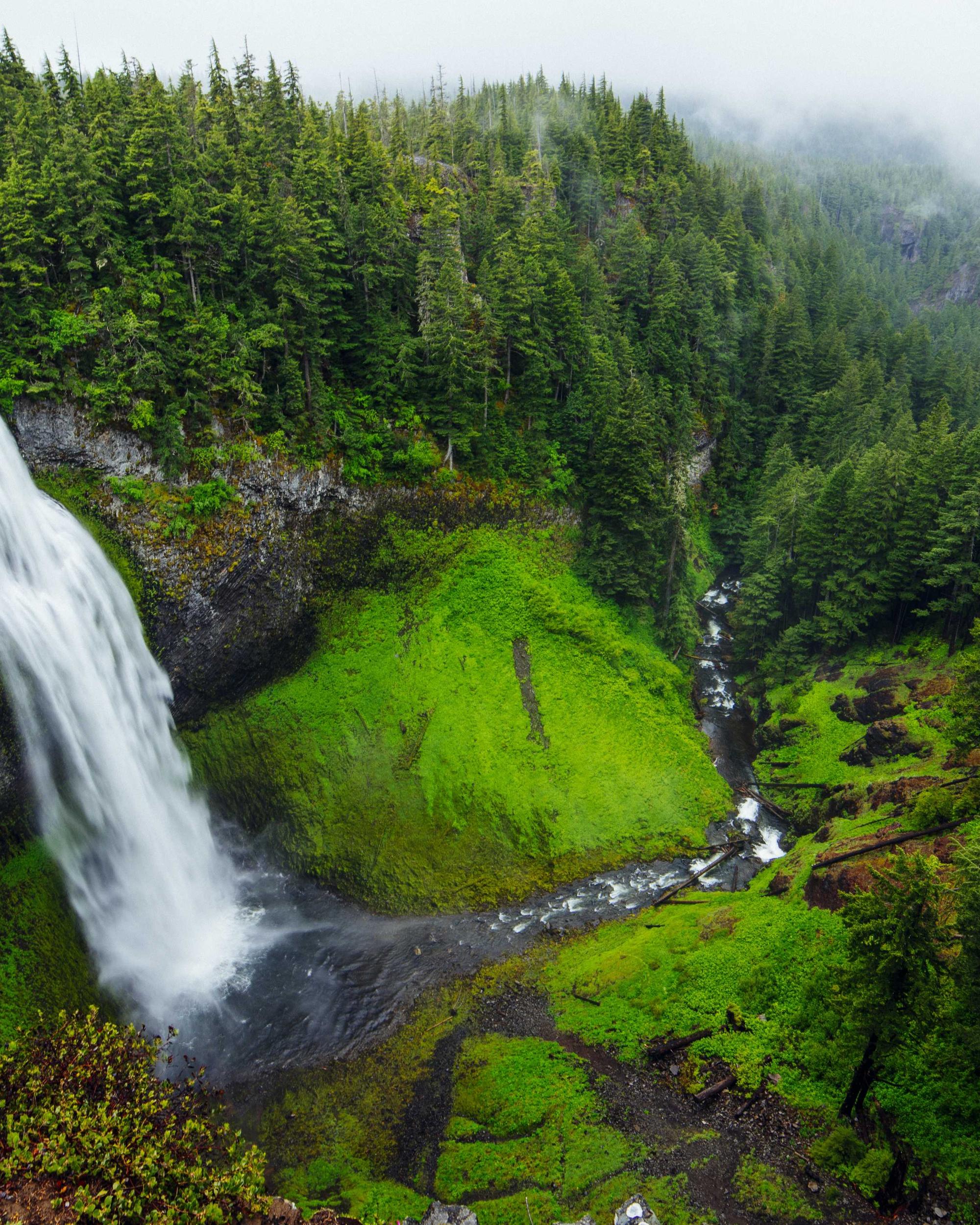
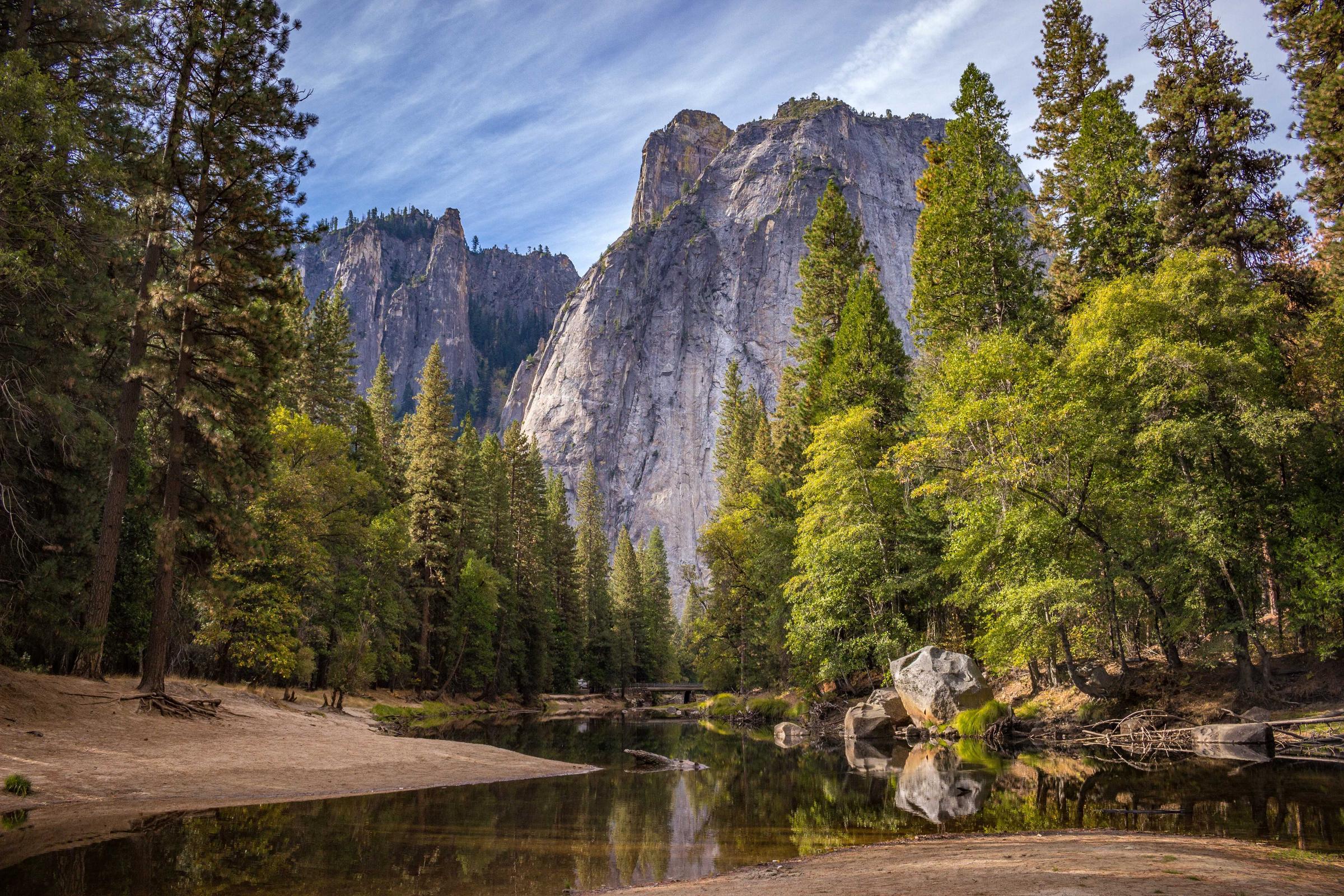
import card from "@/public/lightbox/card.jpg"
import field from "@/public/lightbox/field.jpg"
import lake from "@/public/lightbox/lake.jpg"
import peaks from "@/public/lightbox/peaks.jpg"
import prose from "@/public/lightbox/prose.jpg"
import river from "@/public/lightbox/river.jpg"
import shore from "@/public/lightbox/shore.jpg"
import small from "@/public/lightbox/small.jpg"
import square from "@/public/lightbox/square.jpg"
import tall from "@/public/lightbox/tall.jpg"
import wide from "@/public/lightbox/wide.jpg"
// #endregion
import {
Image,
imageRenditions,
nextImageLoader,
type StaticImage,
} from "@/registry/base-nova/ui/image"
import {
type Entry,
type Facts,
Lightbox,
LightboxSolo,
LightboxTrigger,
type Source,
} from "@/registry/base-nova/ui/lightbox"
// #region photos
// The same Picsum photographs, prepared locally: no redirect or remote origin
// on the critical path. Next builds the blur and responsive candidates.
const PHOTOS: Record<number, StaticImage> = {
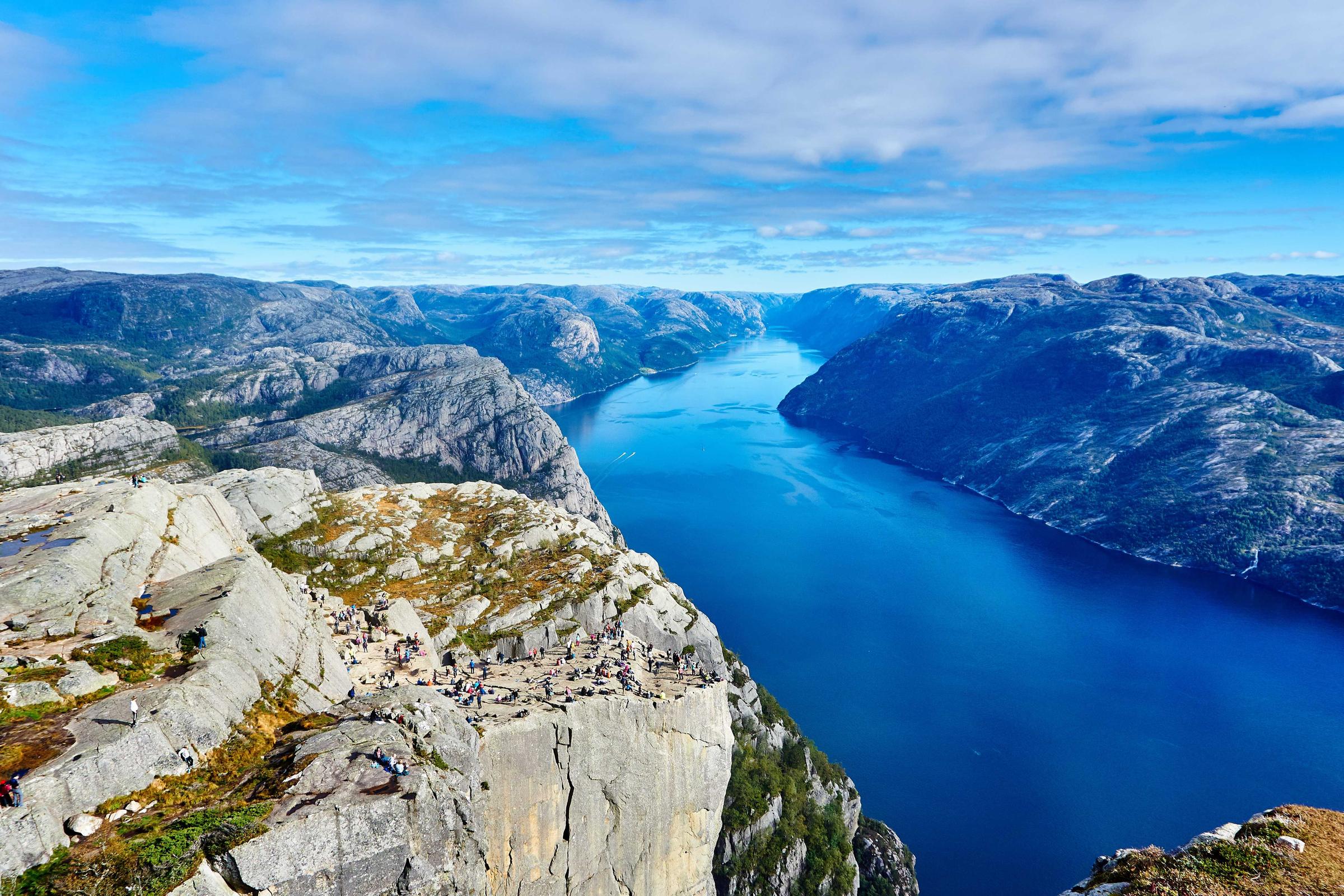
1015: river,
1024: peaks,
1016: shore,
1018: wide,
1020: square,
1035: field,
1036: tall,
1039: lake,
1043: card,
1044: prose,
}
const picsum = (id: number): Source => {
const photo = PHOTOS[id]
if (!photo) throw new Error(`Missing prepared photo ${id}`)
return {
src: photo.src,
full: photo.src,
srcset: imageRenditions(photo.src, nextImageLoader, { sizes: "100vw" })
?.srcSet,
width: photo.width,
height: photo.height,
blur: `url(${JSON.stringify(photo.blurDataURL)})`,
}
}
const preview = (source: Source) =>
Object.values(PHOTOS).find((photo) => photo.src === source.src) ?? source.src
// #endregion
// #region grid
const GRID: Entry[] = [
{
id: "river",
media: {
kind: "image",
source: picsum(1015),
alt: "a river through a canyon",
},
},
{
id: "peaks",
media: {
kind: "image",
source: picsum(1024),
alt: "peaks, portrait",
},
},
{
id: "shore",
media: {
kind: "image",
source: picsum(1016),
alt: "a shoreline",
},
},
{
id: "wide",
media: {
kind: "image",
source: picsum(1018),
alt: "a wide valley",
},
},
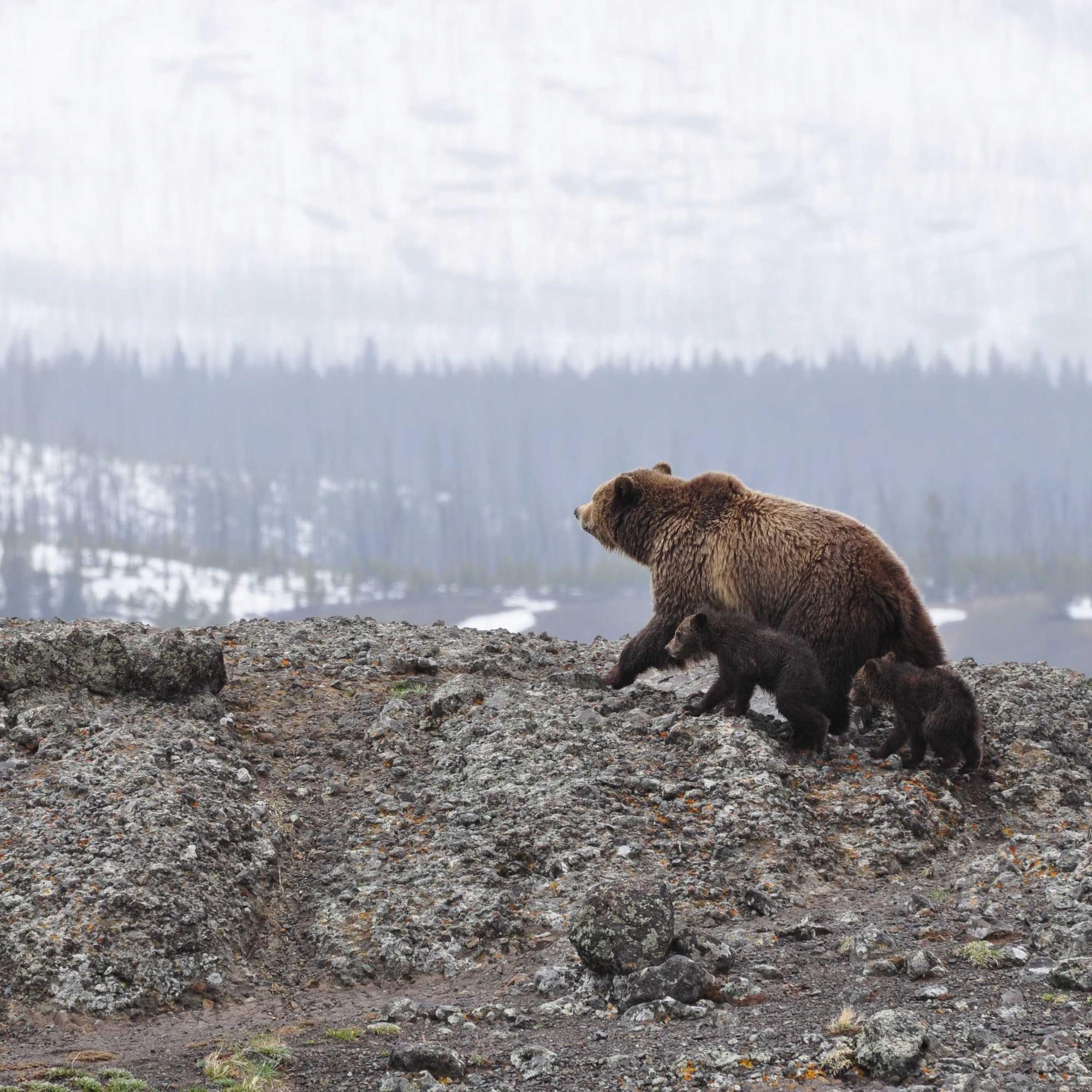
{
id: "square",
media: {
kind: "image",
source: picsum(1020),
alt: "a bear, square",
},
},
{
id: "field",
media: { kind: "image", source: picsum(1035), alt: "a field" },
},
{
id: "tall",
media: {
kind: "image",
source: picsum(1036),
alt: "a tall view",
},
},
{
id: "lake",
media: { kind: "image", source: picsum(1039), alt: "a lake" },
},
]
// #endregion
// #region media
const CARD: Entry = {
id: "card",
media: {
kind: "image",
source: picsum(1043),
alt: "a cover-cropped card",
},
caption:
"a 3:2 image inside a square card: the crop uncurls, the radius flattens",
}
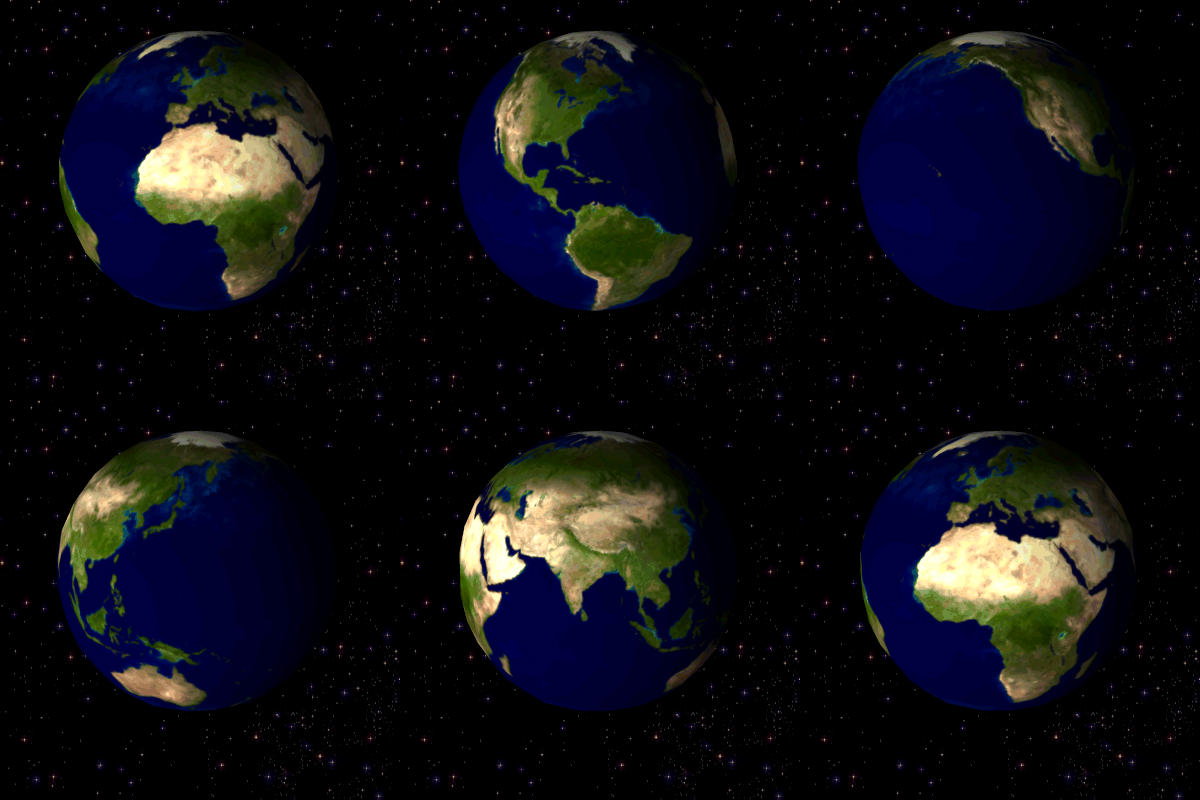
const GIF: Entry = {
id: "earth",
media: {
kind: "gif",
source: {
src: "https://upload.wikimedia.org/wikipedia/commons/2/2c/Rotating_earth_%28large%29.gif",
full: "https://upload.wikimedia.org/wikipedia/commons/2/2c/Rotating_earth_%28large%29.gif",
width: 400,
height: 400,
},
alt: "the earth, rotating (public domain, wikimedia commons)",
},
}
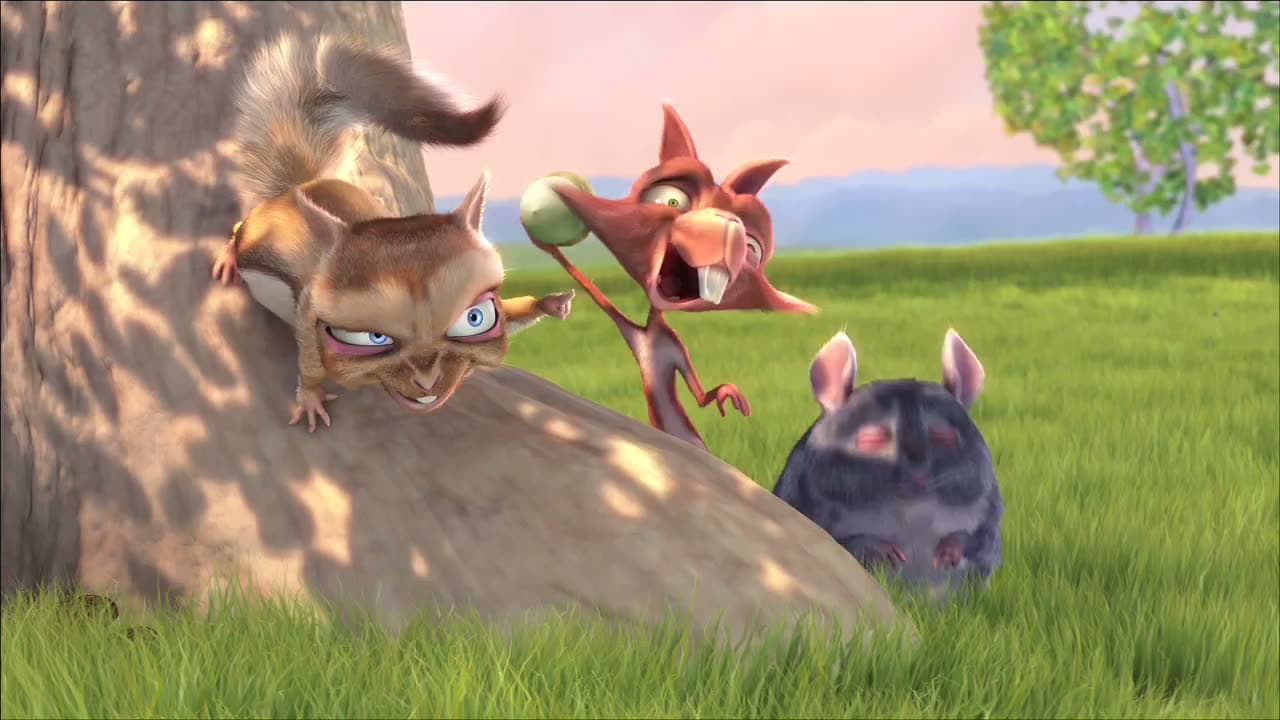
// Eight seconds of the Big Buck Bunny trailer (cc-by, Blender Foundation), cut and
// encoded into public/ at 720p — 0.8 MB against the 17.8 MB the full trailer was
// streaming from blender.org on EVERY open of a demo page. The poster is a frame of
// this clip, so the page paints the film and the film's own frame flies.
const VIDEO: Entry = {
id: "bunny",
media: {
kind: "video",
src: "/bunny.mp4",
poster: {
src: "/bunny-poster.jpg",
full: "/bunny-poster.jpg",
width: 1280,
height: 720,
blur: "oklch(0.85 0.06 120)",
},
title: "big buck bunny, the trailer",
muted: true,
loop: true,
},
caption:
"big buck bunny trailer (cc-by, blender foundation) · space plays · j / l seek 10 s · m mutes · the bar scrubs",
}
// #endregion
// #region frames
// One map tile is the picture the frame opens from (a single tile for a demo sits
// inside openstreetmap's tile usage policy); the frame is the live map around it.
const FRAME: Entry = {
id: "map",
media: {
kind: "frame",
src: "https://www.openstreetmap.org/export/embed.html?bbox=2.15,41.38,2.19,41.40&layer=mapnik",
width: 1200,
height: 800,
title: "openstreetmap · barcelona",
},
caption: "openstreetmap · barcelona · © openstreetmap contributors",
}
const TILE = "https://tile.openstreetmap.org/13/4145/3059.png"
const SMALL: Entry = {
id: "small",
media: {
kind: "image",
source: {
src: small.src,
full: small.src,
width: 640,
height: 427,
},
alt: "a 640 px original: the bar says when it is shown larger",
},
}
// #endregion
// #region prose
const PROSE: Entry = {
id: "prose",
media: {
kind: "image",
source: picsum(1044),
alt: "a figure inside prose",
},
}
// #endregion
// #region solo
/** A face in an attribution: the case that made `LightboxSolo` exist. This page is one
* reel, and a trigger placed anywhere in it would join that reel — which is exactly
* what happened to `avatar` when the quote page mounted one provider: three faces
* became a three-slide reel with a strip and arrows. The caption is passed because the
* trigger sits inside somebody else's `<figure>`, and the fallback would read that
* figcaption whole ("Mark Twain1876"). */
const SOLO: Entry = {
id: "twain",
media: {
kind: "image",
source: {
src: "/mark-twain.png",
full: "/mark-twain.png",
width: 256,
height: 256,
},
alt: "Mark Twain",
},
caption: "Mark Twain",
}
// #endregion
// The rail is the consumer's inspector beside the media (an editor's rail, a library's
// details): whatever a site knows about the item and can do with it. This one shows
// what a media library would: the name, the original, an action, and a field whose
// keys stay in the field (arrows and letters never reach the lightbox from here).
function Rail({ entry, facts }: { entry: Entry; facts: Facts }) {
const m = entry.media
const full =
m.kind === "image" || m.kind === "gif"
? m.source.full
: m.kind === "video"
? m.src
: null
return (
<div className="space-y-4 text-sm">
<div className="font-mono text-xs lowercase text-muted-foreground">
{entry.id} · {m.kind}
</div>
{entry.caption && (
<div className="text-foreground/80">{entry.caption}</div>
)}
<dl className="grid grid-cols-[auto_1fr] gap-x-4 gap-y-1 font-mono text-xs lowercase">
<dt className="text-muted-foreground">position</dt>
<dd>
{facts.index + 1} of {facts.count}
</dd>
{facts.natural && (
<>
<dt className="text-muted-foreground">original</dt>
<dd>
{facts.natural.w} × {facts.natural.h}
</dd>
</>
)}
<dt className="text-muted-foreground">zoom</dt>
<dd>{Math.round(facts.zoom * 100)}%</dd>
</dl>
{full && (
<a
href={full}
download
className="inline-flex h-8 items-center rounded-lg border border-border px-3 font-mono text-xs lowercase text-foreground/80 hover:text-foreground"
>
download original
</a>
)}
<label className="block space-y-1">
<span className="font-mono text-xs lowercase text-muted-foreground">
notes
</span>
<textarea
rows={3}
className="w-full rounded-lg border border-border bg-background px-2 py-1 text-sm"
placeholder="type here; arrows and letters stay in the field"
/>
</label>
</div>
)
}
// Each surface is signed off by a hand on the device, never by a build: a round of
// fixes on the gestures puts the lines it could touch back to unverified.
const DEVICES: readonly [string, boolean][] = [
["iphone safari", true],
["android chrome", false],
["macos safari", false],
["macos chrome, trackpad + mouse", true],
["firefox", false],
]
export default function Demo() {
const [rail, setRail] = React.useState(false)
// `?debug`, or the site's own toggle, which SURVIVES a reload: a bug on a phone is
// reported after several attempts, and re-typing a query string every time is how a
// stale trace gets copied. `debug` carries the build id, so a report says which code
// produced it. NEXT_PUBLIC_BUILD is a commit SHA on the deployed site.
const [debugOn] = useDebug()
const debug: boolean | string = debugOn
? (process.env.NEXT_PUBLIC_BUILD ?? true)
: false
return (
<Lightbox
history
debug={debug}
rail={rail}
onRailChange={setRail}
renderRail={(e, f) => <Rail entry={e} facts={f} />}
>
<div className="space-y-16">
<Sample
name="grid"
with="assets photos grid"
title="a justified grid"
description="responsive images with blur previews"
>
<div className="flex flex-wrap gap-2">
{GRID.map((e) => {
const { source, alt } = e.media as { source: Source; alt: string }
const aspect = source.width / source.height
return (
<div
key={e.id}
style={{ flex: `${aspect} 1 ${aspect * 160}px` }}
>
{/* The trigger carries the corner: it is the source rect the
image flies from, and the focus ring follows it. */}
<LightboxTrigger
entry={e}
render={
<a
href={source.full}
className="block overflow-hidden rounded-lg"
/>
}
>
<Image
src={preview(source)}
alt={alt}
width={source.width}
height={source.height}
sizes="(max-width: 640px) 50vw, 33vw"
className="w-full"
style={{ aspectRatio: aspect }}
loading="lazy"
/>
</LightboxTrigger>
</div>
)
})}
<div className="grow-[10]" />
</div>
</Sample>
<Sample
name="media"
glance="wide"
with="assets photos media"
title="mixed media"
description="a cropped image, an animation, and a video"
>
<div className="grid max-w-xl gap-8 sm:grid-cols-3">
<div className="space-y-4">
<div className="font-mono text-xs text-muted-foreground">
02 · a cover-cropped card
</div>
<LightboxTrigger
entry={CARD}
render={
<a
href={(CARD.media as { source: Source }).source.full}
className="block overflow-hidden rounded-2xl"
/>
}
>
<Image
src={card}
alt="A mountain reflected in a lake"
sizes="(max-width: 640px) 100vw, 33vw"
className="aspect-square w-full"
/>
</LightboxTrigger>
</div>
<div className="space-y-4">
<div className="font-mono text-xs text-muted-foreground">
03 · a gif, never upgraded
</div>
<LightboxTrigger entry={GIF}>
{/* biome-ignore lint/performance/noImgElement: a gif is never optimized */}
<img
src={(GIF.media as { source: Source }).source.src}
alt=""
className="block aspect-square w-full rounded-lg"
/>
</LightboxTrigger>
</div>
<div className="space-y-4">
<div className="font-mono text-xs text-muted-foreground">
04 · a video: its own frame flies, native controls inside
</div>
{/* The trigger wears data-lightbox-kind; the play glyph is drawn from
that attribute alone (two pseudo-elements: a wash and a triangle),
so any video trigger on the page says what it is. */}
<LightboxTrigger
entry={VIDEO}
render={
<a
href={(VIDEO.media as { src: string }).src}
className="relative block overflow-hidden rounded-lg data-[lightbox-kind=video]:before:absolute data-[lightbox-kind=video]:before:left-1/2 data-[lightbox-kind=video]:before:top-1/2 data-[lightbox-kind=video]:before:size-12 data-[lightbox-kind=video]:before:-translate-x-1/2 data-[lightbox-kind=video]:before:-translate-y-1/2 data-[lightbox-kind=video]:before:rounded-full data-[lightbox-kind=video]:before:bg-background/80 data-[lightbox-kind=video]:before:content-[''] data-[lightbox-kind=video]:after:absolute data-[lightbox-kind=video]:after:left-1/2 data-[lightbox-kind=video]:after:top-1/2 data-[lightbox-kind=video]:after:size-12 data-[lightbox-kind=video]:after:-translate-x-1/2 data-[lightbox-kind=video]:after:-translate-y-1/2 data-[lightbox-kind=video]:after:bg-foreground data-[lightbox-kind=video]:after:[clip-path:polygon(38%_28%,74%_50%,38%_72%)] data-[lightbox-kind=video]:after:content-['']"
/>
}
>
<Image
src={(VIDEO.media as { poster: Source }).poster.src}
alt="Big Buck Bunny trailer"
width={1280}
height={720}
sizes="(max-width: 640px) 100vw, 33vw"
className="block aspect-video w-full"
/>
</LightboxTrigger>
</div>
</div>
</Sample>
<Sample
name="frame"
with="assets frames"
title="an embedded map"
description="and a small original"
>
<div className="grid gap-8 sm:grid-cols-2">
<div className="space-y-4">
<div className="font-mono text-xs text-muted-foreground">
05 · a frame: opens from a picture, box and keyboard, no zoom
</div>
<figure className="space-y-2">
<LightboxTrigger
entry={FRAME}
render={
<a
href={(FRAME.media as { src: string }).src}
className="block w-fit overflow-hidden rounded-lg"
/>
}
>
{/* biome-ignore lint/performance/noImgElement: one map tile */}
<img
src={TILE}
alt=""
width={256}
height={256}
className="block size-64"
/>
</LightboxTrigger>
<figcaption className="font-mono text-xs lowercase text-muted-foreground">
{FRAME.media.kind === "frame" && FRAME.media.title} · ©
openstreetmap contributors
</figcaption>
</figure>
</div>
<div className="space-y-4">
<div className="font-mono text-xs text-muted-foreground">
06 · a 640 px original: press + and read the bar
</div>
<LightboxTrigger entry={SMALL}>
<Image
src={small}
unoptimized
alt="A small landscape photograph"
width={640}
height={427}
className="block h-auto w-full rounded-lg"
/>
</LightboxTrigger>
</div>
</div>
</Sample>
<Sample
name="prose"
with="assets photos prose"
title="a figure inside prose"
>
<div className="mx-auto max-w-prose space-y-4">
<div className="font-mono text-xs text-muted-foreground">
07 · a figure inside prose
</div>
<p className="text-[0.9375rem] leading-relaxed text-foreground/80">
The caption below is a plain figcaption. Nothing on the entry
names it; the lightbox reads the sibling once at open. Click the
image, then press ? for the keys that work right now, i for the
rail (the site's own inspector beside the media: details, actions,
a field), h to hide the chrome. While it is open the address
carries #lb=id: a reload lands on the same image, close strips it,
and Back leaves the page the way it always does.
</p>
<figure className="space-y-2">
<LightboxTrigger entry={PROSE}>
<Image
src={prose}
alt="A landscape inside prose"
sizes="(max-width: 640px) 100vw, 640px"
className="block aspect-[3/2] w-full rounded-lg"
/>
</LightboxTrigger>
<figcaption className="text-sm text-foreground/55">
read once at open: the sibling figcaption is the caption
</figcaption>
</figure>
<p className="text-[0.9375rem] leading-relaxed text-foreground/80">
Every trigger is a link to the original, so the page works before
hydration and a middle click still opens the file.
</p>
</div>
</Sample>
<Sample
name="solo"
with="solo"
title="a picture that opens alone"
description="inside the reel"
>
<div className="mx-auto max-w-prose space-y-4">
<div className="font-mono text-xs text-muted-foreground">
08 · a picture that opens alone, inside the reel
</div>
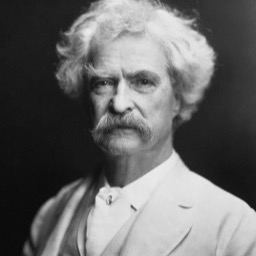
<p className="text-[0.9375rem] leading-relaxed text-foreground/80">
Everything above is one reel because it sits under one provider.
The face below sits under the same provider and is NOT in the
reel: no strip, no arrows, no counter, one picture. That is{" "}
<code className="font-mono text-xs">LightboxSolo</code>, a
provider around a single trigger, and the nearest provider wins.
It exists because the avatar in a quote's attribution once
joined the page reel and three faces became a three-slide gallery.
The caption is passed explicitly: the trigger sits inside a figure
whose figcaption is the attribution, and the fallback would have
read “Mark Twain1876”.
</p>
<figure className="flex items-center gap-3">
<LightboxSolo
entry={SOLO}
label="portrait"
render={
<a
href="/mark-twain.png"
className="block size-10 shrink-0 overflow-hidden rounded-full"
aria-label="Mark Twain"
/>
}
>
{/* biome-ignore lint/performance/noImgElement: a 256 px portrait */}
<img
src="/mark-twain.png"
alt=""
width={256}
height={256}
className="block size-full object-cover"
/>
</LightboxSolo>
<figcaption className="flex items-baseline gap-2 text-sm">
<span>Mark Twain</span>
<span className="font-mono text-xs text-muted-foreground">
1876
</span>
</figcaption>
</figure>
</div>
</Sample>
<section className="space-y-4">
<div className="font-mono text-xs text-muted-foreground">
device sign-off
</div>
<ul className="space-y-2 font-mono text-xs lowercase text-muted-foreground">
{DEVICES.map(([name, verified]) => (
<li key={name} className={verified ? "text-foreground/70" : ""}>
{name}
{verified ? "" : " · unverified"}
</li>
))}
</ul>
</section>
</div>
</Lightbox>
)
}the source, every file an install writes
"use client"
// The lightbox: one interruptible spring over a View, a three-layer track, a fly
// that passes under the page's chrome. The trigger element IS the source rect; its
// `src` is the page's pixels and paints frame one, `full` cross-fades in on decode.
// Every move of the pose is a FLIGHT: the spring is sampled ahead (sampleFlight) and
// played by the compositor as Web Animations keyframes on the active layer's
// transform, its crop window and corner, so a main thread busy decoding never drops
// a frame of the image. Per frame the engine writes only --lb-p on its three readers (scrim,
// chrome, active layer); chrome reads --lb-p in CSS. A hand landing mid-flight reads
// the pose and velocity off the same table at the animation's currentTime, cancels
// it and takes over without a jump. React changes only at checkpoints (open, settle,
// step, release). Base UI Dialog supplies portal,
// inert, focus trap, focus return and the scroll lock (its gutter included: no token
// rule duplicates it); every key and pointer verb dispatches an id from
// lightbox-actions.
//
// Keys are captured on the dialog root and stopped, so a host page owning arrows is
// silent while open. The rail is the one boundary: keys pressed inside `renderRail`
// belong to the consumer's widgets and BUBBLE TO THE HOST, the only way React
// handlers stay alive inside a portal whose React root sits at the same node as the
// host's document listeners. A host that owns arrows guards its handler on
// `useLightbox().id === null`. Escape walks the ladder from anywhere.
import { Dialog } from "@base-ui/react/dialog"
import { useRender } from "@base-ui/react/use-render"
import * as React from "react"
import {
type Action,
type ActionId,
type Layer as ActionLayer,
action,
escRung,
KEYS,
keycap,
keyOf,
keyshortcuts,
resolve,
sheet as sheetOf,
} from "@/registry/base-nova/lib/lightbox-actions"
import {
type Flight as MotionFlight,
planFlight,
readFlight,
} from "@/registry/base-nova/lib/lightbox-flight"
import {
type Gesture,
type GestureCtx,
type GestureEffect,
type GestureRelease,
gestureDown,
gestureMove,
gestureUp,
midOf,
type PointerInput,
tapIntent,
} from "@/registry/base-nova/lib/lightbox-gesture"
import {
applyHold,
type HoldVerb,
holdDelta,
} from "@/registry/base-nova/lib/lightbox-hold"
import {
assert,
assertSize,
type Band,
COAST,
clampPan,
EXIT_HANDOFF,
FIT,
fit,
GONE,
HAND,
MACHINE,
neighbours,
type Point,
type Pose,
project,
type Sample,
type Size,
type SourceView,
STILL,
sharpScale,
sourceView,
type Tunings,
type View,
WHEEL_GUARD,
wheelPx,
zoomAt,
zoomMax as zoomCeiling,
} from "@/registry/base-nova/lib/lightbox-motion"
import {
type WheelCtx,
type WheelSession,
wheelAxisOf,
wheelIsTrackable,
wheelRelease,
wheelTick,
} from "@/registry/base-nova/lib/lightbox-wheel"
import {
phaseFeed,
phaseStart,
} from "@/registry/base-nova/lib/lightbox-wheel-phase"
import { Copy } from "@/registry/base-nova/ui/copy"
import { EdgeArrow } from "@/registry/base-nova/ui/edge-arrows"
import { ownedHere, registerKeys } from "@/registry/base-nova/ui/key-router"
import {
INSET_Y,
measureBand,
RAIL_H,
RAIL_W,
rectOf,
sameBand,
} from "@/registry/base-nova/ui/lightbox-viewport"
import { createSlideTrack } from "@/registry/base-nova/ui/slide-track"
import {
ThumbStrip,
type ThumbStripItem,
} from "@/registry/base-nova/ui/thumb-strip"
import { Video } from "@/registry/base-nova/ui/video"
import "./lightbox.css"
export type Source = {
/** The rendition the page painted, cache-hot: frame one. */
src: string
/** The original; decoded in parallel, cross-fades in. Same as `src` when there is no better file. */
full: string
/** Candidates of `full` by width; `sizes` is owned by the lightbox. */
srcset?: string
/** Natural px of `full`. */
width: number
height: number
/** A CSS `background` value under the image: `url(data:...)` or a color. */
blur?: string
}
export type Media =
| { kind: "image"; source: Source; alt: string }
| { kind: "gif"; source: Source; alt: string }
| {
kind: "video"
src: string
poster: Source
/** The accessible name: the slide, the `<video>`, the poster and the trigger. */
title: string
start?: number
muted?: boolean
loop?: boolean
}
| { kind: "frame"; src: string; width: number; height: number; title: string }
export type Entry = { id: string; media: Media; caption?: React.ReactNode }
export type Facts = {
index: number
count: number
natural: Size | null
rendered: Size
zoom: number
zoomMax: number
sourceLimited: boolean
}
export interface LightboxProps {
/** Explicit order; else triggers in document order at open. */
entries?: Entry[]
loop?: boolean
/** `#lb=<id>` deep links: the hash is REPLACED on open and on every step, and
* on close the page's own hash comes back (a section anchor the visitor arrived
* on), so a reload lands on the entry and Back leaves the page the way it does on
* any hash-less page. Nothing is pushed: an edge swipe on iOS runs
* the browser's own page transition, and a lightbox that then flew home on top of
* it was a double motion. Android Back still closes, through CloseWatcher. */
history?: boolean
/** Controlled, consumer-owned. */
rail?: boolean
onRailChange?: (open: boolean) => void
renderRail?: (entry: Entry, facts: Facts) => React.ReactNode
onOpenChange?: (id: string | null) => void
/** A mono trace of pointer, gesture and dispatch decisions on the stage, for
* device sign-off: what the engine saw and decided, as it happened. A string is a
* BUILD ID and is printed as the first line: a trace is worthless as evidence if
* nobody can tell which build produced it, and a stale buffer looks exactly like a
* fresh one. Pass a commit SHA. */
debug?: boolean | string
/** With `debug`, every trace line as it is written, for a page that keeps the
* trace somewhere a terminal reads (a dev route appending to a file): the stage
* shows it, this carries it out of the browser. */
onTrace?: (line: string) => void
/** What the dialog is announced as, after the count. */
label?: string
children: React.ReactNode
}
export interface LightboxTriggerProps {
ref?: React.Ref<HTMLElement>
entry: Entry
/** Default `<a href={full}>`; must be focusable. */
render?: React.ReactElement
/** Rendered untouched: next/image, a poster, a card. */
children: React.ReactNode
}
type Trigger = { entry: Entry; el: HTMLElement }
type Session = { ids: string[]; index: number; rest: boolean }
type Phase = "enter" | "idle" | "exit"
/** What the pose spring is flying toward; the settle action is a function of it. */
type Aim = "enter" | "exit" | "free"
type Dispatch = (id: ActionId | "escape" | "zoom.toggle", at?: Point) => void
type VideoMedia = Extract<Media, { kind: "video" }>
/** Fixed for the provider's lifetime: triggers subscribe here and never re-render
* on a checkpoint. */
type Registry = {
triggers: React.RefObject<Map<string, Trigger>>
entries: React.RefObject<Entry[] | undefined>
open: (id: string, rest?: boolean) => void
close: () => void
step: (d: 1 | -1) => void
prime: (entry: Entry) => void
}
/** Changes on every checkpoint; only `useLightbox()` reads it. */
type State = { id: string | null; facts: Facts | null }
const RegistryContext = React.createContext<Registry | null>(null)
const StateContext = React.createContext<State | null>(null)
/** Reserved for the bar and the caption; consumer chrome is declared via data-obstructs. */
const INSET_X = 16
/** Slides each side of the one on screen that hold decoded media. Two, not one: a
* throw crosses its neighbour and is already looking at the next one by the time
* anything commits. */
const LOADED = 2
/** Trace entries kept. An entry can be a whole trajectory table, so this is far fewer
* screens than it looks, and a debug buffer that discards the interesting part while
* the reader scrolls to it is worse than none. */
const TRACE_LINES = 60
/** Module scope on purpose: the trace survives the dialog it came from. */
let TRACE: string[] = []
const FRAME_GUTTER = 32
/** The two elements the browser activates from the keyboard: a `render` that is
* merely focusable opens by pointer only. */
const ACTIVATABLE = "a[href], button"
/** The bottom strip of a `<video>` where the native controls live (css px): Chrome,
* Safari and iOS inline controls all sit in the bottom 40 to 50 px. */
const CONTROLS_H = 56
/** The lightbox's own parts (its keys sheet, a slide), whose keys it answers. */
const OWN_ROLES = ["dialog", "group"]
/** What Tab can land on; hidden chrome and inert siblings are filtered live. */
const TABBABLE =
"a[href], button, input, select, textarea, summary, iframe, [tabindex]:not([tabindex='-1'])"
/** The platform's close-request hook (Android Back, Chrome 120+); absent from lib.dom. */
declare class CloseWatcher {
onclose: (() => void) | null
destroy(): void
}
/** Registry keys that scroll the `?` sheet while it has focus. */
const SHEET_SCROLLS: ReadonlySet<string> = new Set([
" ",
"ArrowUp",
"ArrowDown",
"ArrowLeft",
"ArrowRight",
"Home",
"End",
])
const boxOf = (m: Media): Size =>
m.kind === "video"
? { w: m.poster.width, h: m.poster.height }
: m.kind === "frame"
? { w: m.width, h: m.height }
: { w: m.source.width, h: m.source.height }
const naturalOf = (m: Media): Size | null =>
m.kind === "frame" ? null : boxOf(m)
const fullOf = (m: Media): string =>
m.kind === "video" || m.kind === "frame" ? m.src : m.source.full
const altOf = (m: Media): string =>
m.kind === "frame" || m.kind === "video" ? m.title : m.alt
/** Every kind names itself; a nameless video or frame is a lie to the reader. */
function assertMedia(m: Media): void {
assertSize(boxOf(m))
if (m.kind === "video" || m.kind === "frame")
assert(m.title, `${m.kind} "${m.src}" has no title`)
}
const gutterOf = (m: Media): number => (m.kind === "frame" ? FRAME_GUTTER : 0)
function fitOf(m: Media, band: Band, floor?: Size): Size {
return fit(boxOf(m), band, m.kind === "frame" ? FRAME_GUTTER : INSET_X, floor)
}
/** Decode of `full` starts on pointerdown, at the size the stage will ask for: the
* same band the Still measures, rail included, so both pick one candidate. A
* video's poster is the shared element, so it primes like an image. */
function prime(entry: Entry, rail: boolean) {
const m = entry.media
const source =
m.kind === "image" ? m.source : m.kind === "video" ? m.poster : null
if (!source) return
if (source.full === source.src && !source.srcset) return
const img = new Image()
if (source.srcset) {
img.srcset = source.srcset
img.sizes = `${Math.round(fitOf(m, measureBand(rail)).w)}px`
}
img.src = source.full
// The live element reports a broken original; a primer has nothing to add.
img.decode().catch(() => {})
}
export function useLightbox(): Pick<Registry, "open" | "close" | "step"> &
State {
const registry = React.useContext(RegistryContext)
const state = React.useContext(StateContext)
assert(registry && state, "useLightbox() outside <Lightbox>")
const { open, close, step } = registry
return { open, close, step, id: state.id, facts: state.facts }
}
export function Lightbox({
entries,
loop = false,
history = false,
rail = false,
onRailChange,
renderRail,
onOpenChange,
label = "media",
debug = false,
onTrace,
children,
}: LightboxProps) {
assert(
!renderRail === !onRailChange,
"rail: renderRail and onRailChange come together",
)
const triggers = React.useRef(new Map<string, Trigger>())
const renditions = React.useRef(
new Map<string, { original: Entry; src: string; entry: Entry }>(),
)
const [session, setSession] = React.useState<Session | null>(null)
const [facts, setFacts] = React.useState<Facts | null>(null)
const dispatchRef = React.useRef<Dispatch | null>(null)
const openChange = React.useRef(onOpenChange)
openChange.current = onOpenChange
// Read through a ref so `open`, `registry` and `entryOf` are created once per
// provider: an inline `entries` array must never rebuild the session.
const entriesRef = React.useRef(entries)
entriesRef.current = entries
const railRef = React.useRef(rail)
railRef.current = rail
const open = React.useCallback((id: string, rest = false) => {
const entries = entriesRef.current
const ids = entries
? entries.map((e) => e.id)
: [...triggers.current.values()]
.sort((a, b) =>
a.el.compareDocumentPosition(b.el) &
Node.DOCUMENT_POSITION_FOLLOWING
? -1
: 1,
)
.map((t) => t.entry.id)
const index = ids.indexOf(id)
assert(index >= 0, `open("${id}"): no such entry`)
setSession({ ids, index, rest })
openChange.current?.(id)
}, [])
const registry = React.useMemo<Registry>(
() => ({
triggers,
entries: entriesRef,
open,
close: () => dispatchRef.current?.("close"),
step: (d) => dispatchRef.current?.(d === 1 ? "step.next" : "step.prev"),
prime: (entry) => prime(entry, railRef.current),
}),
[open],
)
const state = React.useMemo<State>(
() => ({
id: session ? (session.ids[session.index] as string) : null,
facts,
}),
[session, facts],
)
const bind = React.useCallback((d: Dispatch) => {
dispatchRef.current = d
}, [])
const onIndex = React.useCallback((index: number) => {
setSession((s) => (s ? { ...s, index } : s))
}, [])
const onClosed = React.useCallback(() => {
dispatchRef.current = null
renditions.current.clear()
setSession(null)
setFacts(null)
openChange.current?.(null)
}, [])
// A deep link opens once, at mount; a session already open is never re-opened.
React.useEffect(() => {
if (!history || dispatchRef.current) return
const m = /^#lb=(.+)$/.exec(window.location.hash)
if (!m) return
const id = decodeURIComponent(m[1] as string)
if (triggers.current.has(id)) open(id, true)
}, [history, open])
const entryOf = React.useCallback((id: string): Entry => {
const e =
entriesRef.current?.find((x) => x.id === id) ??
triggers.current.get(id)?.entry
assert(e, `no entry "${id}"`)
// A responsive image's actual pixels can differ from its fallback src.
// Start with that cache-hot rendition, without making Lightbox depend on Next.
const trigger = triggers.current.get(id)?.el
const img = trigger?.querySelector("img")
const src = img?.complete && img.naturalWidth ? img.currentSrc : undefined
if (src && e.media.kind !== "frame") {
const previous = renditions.current.get(id)
if (previous?.original === e && previous.src === src)
return previous.entry
const entry: Entry = {
...e,
media:
e.media.kind === "video"
? { ...e.media, poster: { ...e.media.poster, src } }
: { ...e.media, source: { ...e.media.source, src } },
}
renditions.current.set(id, { original: e, src, entry })
return entry
}
return e
}, [])
return (
<RegistryContext.Provider value={registry}>
<StateContext.Provider value={state}>{children}</StateContext.Provider>
<Dialog.Root
open={session !== null}
modal
disablePointerDismissal
// Every close request is ours: Escape walks the ladder (the capture handler
// owns it; the platform key is routed here when it reaches Base UI, and with
// no rung left the dispatch is a no-op), Back from the engine's
// CloseWatcher, the button from dispatch.
onOpenChange={(next, details) => {
if (next) return
details.cancel()
if (details.reason === "escape-key") dispatchRef.current?.("escape")
}}
>
<Dialog.Portal>
{session && (
<Stage
ids={session.ids}
index={session.index}
rest={session.rest}
entryOf={entryOf}
triggers={triggers}
loop={loop}
history={history}
rail={rail}
onRailChange={onRailChange}
renderRail={renderRail}
label={label}
bind={bind}
onIndex={onIndex}
onFacts={setFacts}
onClosed={onClosed}
debug={debug}
onTrace={onTrace}
/>
)}
</Dialog.Portal>
</Dialog.Root>
</RegistryContext.Provider>
)
}
export function LightboxTrigger({
entry,
render,
children,
ref: externalRef,
}: LightboxTriggerProps) {
const ctx = React.useContext(RegistryContext)
assert(ctx, "<LightboxTrigger> outside <Lightbox>")
const ref = React.useRef<HTMLElement>(null)
const { triggers, entries } = ctx
assertMedia(entry.media)
if (entries.current)
assert(
entries.current.some((e) => e.id === entry.id),
`trigger "${entry.id}" is not in entries`,
)
React.useLayoutEffect(() => {
const el = ref.current
assert(el, "trigger rendered nothing")
if (process.env.NODE_ENV !== "production") {
assert(
el.matches(ACTIVATABLE),
`trigger "${entry.id}" is not a link or a button`,
)
assert(
el.getAttribute("aria-label") ||
el.textContent?.trim() ||
el.querySelector("img[alt]:not([alt=''])"),
`trigger "${entry.id}" has no accessible name`,
)
}
triggers.current.set(entry.id, { entry, el })
return () => {
triggers.current.delete(entry.id)
}
}, [entry, triggers])
return useRender({
defaultTagName: "a",
render,
ref: [ref, externalRef ?? null],
props: {
href: render ? undefined : fullOf(entry.media),
children,
"data-lightbox": entry.id,
"data-lightbox-kind": entry.media.kind,
"aria-label": altOf(entry.media) || undefined,
onPointerDown: (e: React.PointerEvent) => {
if (!e.defaultPrevented) ctx.prime(entry)
},
onClick: (e: React.MouseEvent) => {
if (
e.defaultPrevented ||
e.metaKey ||
e.ctrlKey ||
e.shiftKey ||
e.altKey
)
return
e.preventDefault()
ctx.open(entry.id)
},
},
})
}
/** A picture that opens ALONE: its own provider around its own trigger, so it is never
* a slide in whatever reel surrounds it. The grouping model has no prop for this on
* purpose (the reel IS the provider); this is that model applied to one figure, and it
* is exported because an avatar in an attribution, an inline image in prose and a
* cover on a card all want exactly it. Arrows, strip and counter stand down on their
* own: the count is 1. The nearest provider wins, so it nests inside a page reel
* without joining it. `label` is what the dialog is announced as. */
export function LightboxSolo({
label,
...trigger
}: LightboxTriggerProps & { label?: string }) {
return (
<Lightbox label={label}>
<LightboxTrigger {...trigger} />
</Lightbox>
)
}
type StageProps = {
ids: string[]
index: number
rest: boolean
entryOf: (id: string) => Entry
triggers: React.RefObject<Map<string, Trigger>>
loop: boolean
history: boolean
rail: boolean
onRailChange?: (open: boolean) => void
renderRail?: (entry: Entry, facts: Facts) => React.ReactNode
label: string
bind: (d: Dispatch) => void
onIndex: (index: number) => void
onFacts: (f: Facts) => void
onClosed: () => void
debug: boolean | string
onTrace?: (line: string) => void
}
const POSE_EPS: Pose = { x: 0.5, y: 0.5, s: 0.001, p: 0.002 }
/** A zoom within this share of the sharp scale IS the original. */
const SHARP_EPS = 0.01
function Stage(props: StageProps) {
const {
ids,
index,
rest,
entryOf,
triggers,
loop,
history,
rail,
onRailChange,
renderRail,
label,
bind,
onIndex,
onFacts,
onClosed,
debug,
onTrace,
} = props
const count = ids.length
// Read at each line, so a sink changing never re-creates the trace's callback.
const sink = React.useRef(onTrace)
React.useLayoutEffect(() => {
sink.current = onTrace
}, [onTrace])
const id = ids[index] as string
const entry = entryOf(id)
const media = entry.media
const root = React.useRef<HTMLDivElement>(null)
const scrim = React.useRef<HTMLDivElement>(null)
const chromeEl = React.useRef<HTMLDivElement>(null)
const stage = React.useRef<HTMLDivElement>(null)
const track = React.useRef<HTMLDivElement>(null)
const layers = React.useRef(new Map<string, HTMLDivElement>())
/** The layer the engine last wrote a pose to, for the debug flush to read back. */
const activeLayer = React.useRef<HTMLDivElement | null>(null)
const video = React.useRef<HTMLVideoElement | null>(null)
// The strip shows when there is somewhere to go; `t` folds it.
const [strip, setStrip] = React.useState(count > 1)
const stripOn = strip && count > 1
// Every slide as a thumbnail: the page's own rendition, a video's poster; a frame
// has neither and shows its title.
const thumbs = React.useMemo<ThumbStripItem[]>(
() =>
ids.map((tid) => {
const m = entryOf(tid).media
const box = boxOf(m)
return {
id: tid,
src:
m.kind === "image" || m.kind === "gif"
? m.source.src
: m.kind === "video"
? m.poster.src
: undefined,
width: box.w,
height: box.h,
label: altOf(m),
video: m.kind === "video",
}
}),
[ids, entryOf],
)
const [band, setBand] = React.useState<Band>(() => measureBand(rail))
/** The engine's own `S.ph` decides everything; this React copy exists to publish it
* as `data-phase`, a declared TEST HOOK. The browser rig waits on
* `.ag-lb[data-phase="idle"]` to know a flight has landed. No CSS reads it. */
const [phase, setPhase] = React.useState<Phase>(rest ? "idle" : "enter")
const [zoom, setZoom] = React.useState(1)
const [chrome, setChrome] = React.useState(true)
const [sheet, setSheet] = React.useState(false)
const [fullscreen, setFullscreen] = React.useState(false)
const [warm, setWarm] = React.useState(rest)
// The slide under the reader's eyes RIGHT NOW, which runs ahead of `index`: the
// index commits only once the track has landed. Media loads around this.
const [passing, setPassing] = React.useState(index)
// Where the hand pointed, ahead of the stage: the slide takes ~200 ms and queued
// steps chain, so a strip and a counter that waited for `index` would trail a
// fast reader by slides. They are an INDEX, not the content, and must read as
// already there.
const [aim, setAim] = React.useState<number | null>(null)
const shown = aim ?? index
// Keyed by a counter so a repeated status is a fresh DOM mutation, announced again.
const [announce, setAnnounce] = React.useState({ text: "", n: 0 })
const [caption, setCaption] = React.useState<React.ReactNode>(null)
// The debug trace: the engine pushes lines, React sees them once per frame.
const [log, setLog] = React.useState<string[]>(TRACE)
const logRef = React.useRef<string[]>(TRACE)
const logRaf = React.useRef(0)
const pushTrace = React.useCallback((m: string) => {
const line = `${(performance.now() / 1000).toFixed(2)} ${m}`
sink.current?.(line)
logRef.current = [...logRef.current.slice(-TRACE_LINES), line]
// The buffer OUTLIVES the stage, module-scoped: a bug is reproduced, the
// lightbox closes, and the evidence has to still be there.
TRACE = logRef.current
if (logRaf.current === 0)
logRaf.current = requestAnimationFrame(() => {
logRaf.current = 0
// The screen's truth beside the engine's: the active layer's computed matrix
// and how many animations still hold it. ONE reading per frame, taken after
// the pose was written, and stamped on the last line: there is only one
// painted state per frame, so every line in a frame shares this one anyway.
const el = activeLayer.current
const seen = el
? `${getComputedStyle(el)
.transform.replace(/^matrix\(/, "m(")
.replace(/, /g, ",")
.slice(
0,
40,
)} anims ${el.getAnimations({ subtree: true }).length}`
: "no layer"
const lines = logRef.current.slice()
lines[lines.length - 1] = `${lines[lines.length - 1]} · ${seen}`
setLog(lines)
})
}, [])
// How big each picture already WAS on the page, read once at open from its trigger:
// the fit never opens a picture smaller than that (`fit`'s floor), so a lightbox can
// never shrink the picture it was asked to enlarge.
const floors = React.useMemo(() => {
const m = new Map<string, Size>()
for (const lid of ids) {
const el = triggers.current.get(lid)?.el
if (!el) continue
const r = el.getBoundingClientRect()
if (r.width > 0 && r.height > 0) m.set(lid, { w: r.width, h: r.height })
}
return m
}, [ids, triggers])
const fitted = fitOf(media, band, floors.get(id))
const natural = React.useMemo(() => naturalOf(media), [media])
const dpr = window.devicePixelRatio
const zoomMax =
media.kind === "frame"
? 1
: media.kind === "gif"
? 2
: zoomCeiling((natural as Size).w, fitted.w, dpr)
const sharp = natural ? sharpScale(natural.w, fitted.w, dpr) : 1
const sourceLimited = media.kind !== "frame" && sharp < zoomMax
const zoomed = zoom > 1.01
// What the bar says about the pixels once the user asks for more: past the sharp
// scale (a fit that already outgrew a small original included) the image is
// larger than its file; at it, within a percent, it is the file. Quiet at fit: on
// a dense display most fits exceed their file, and that is the norm.
const status =
natural === null || media.kind === "gif" || !zoomed
? null
: zoom > sharp * (1 + SHARP_EPS)
? `shown larger than its ${natural.w} px original`
: zoom >= sharp * (1 - SHARP_EPS)
? `at its ${natural.w} px original`
: null
const facts = React.useMemo<Facts>(
() => ({
index,
count,
natural,
rendered: { w: fitted.w * zoom, h: fitted.h * zoom },
zoom,
zoomMax,
sourceLimited,
}),
[index, count, natural, fitted.w, fitted.h, zoom, zoomMax, sourceLimited],
)
React.useEffect(() => onFacts(facts), [facts, onFacts])
React.useEffect(() => {
if (status) setAnnounce((a) => ({ text: status, n: a.n + 1 }))
}, [status])
const layerSet = React.useMemo(() => {
const s = new Set<ActionLayer>(["always"])
s.add(zoomed ? "zoomed" : "fit")
if (media.kind === "video") s.add("video")
if (sheet) s.add("sheet")
if (fullscreen) s.add("fullscreen")
return s
}, [zoomed, media.kind, sheet, fullscreen])
// ABSENT is not UNAVAILABLE. Unavailable is a STATE — prev at the first slide, zoom on
// a frame — and its control shows dimmed, because it says where you are and it comes
// back. Absent can never happen in this session: a rail nobody provided, arrows and a
// strip on a reel of one, fullscreen where the browser has none. A control with nothing
// behind it does not appear, in the bar or in the `?` sheet: a lightbox around one
// portrait must draw no arrows and no "i" at all.
const absent = React.useMemo(() => {
const u = new Set<ActionId>()
if (!renderRail) u.add("rail")
if (count < 2)
for (const a of [
"prev",
"next",
"step.prev",
"step.next",
"first",
"last",
"strip",
] as const)
u.add(a)
if (!document.fullscreenEnabled) u.add("fullscreen")
return u
}, [count, renderRail])
const unavailable = React.useMemo(() => {
const u = new Set<ActionId>(absent)
if (media.kind === "frame")
for (const a of ["zoom.in", "zoom.out", "zoom.fit"] as const) u.add(a)
const can = neighbours(index, count, loop)
if (!can.prev) for (const a of ["prev", "step.prev"] as const) u.add(a)
if (!can.next) for (const a of ["next", "step.next"] as const) u.add(a)
return u
}, [absent, media.kind, loop, index, count])
// Everything the engine reads, one frame fresh, never a stale closure.
const live = React.useRef({
ids,
index,
entry,
fitted,
band,
zoomMax,
layerSet,
unavailable,
rail,
loop,
history,
onRailChange,
onIndex,
onClosed,
debug,
trace: pushTrace,
})
live.current = {
ids,
index,
entry,
fitted,
band,
zoomMax,
layerSet,
unavailable,
rail,
loop,
history,
onRailChange,
onIndex,
onClosed,
debug,
trace: pushTrace,
}
// The engine: one object of mutable clocks and gesture state, owned by this effect.
const engine = React.useRef<{
dispatch: Dispatch
settleIndex: () => void
refit: (prev: { band: Band; fitted: Size }) => void
/** A thumbnail picked: cut to that slide. */
jump: (to: number) => void
} | null>(null)
// The engine mounts once per open; everything live is read through `live`.
// biome-ignore lint/correctness/useExhaustiveDependencies: one engine per open
React.useLayoutEffect(() => {
const rootEl = root.current
const trackEl = track.current
const scrimEl = scrim.current
const barEl = chromeEl.current
assert(rootEl && trackEl && scrimEl && barEl, "stage without a root")
const reduced = window.matchMedia(
"(prefers-reduced-motion: reduce)",
).matches
const tune = (t: Tunings<keyof Pose>): Tunings<keyof Pose> =>
reduced ? STILL : t
const L = live
const ZERO: Pose = { x: 0, y: 0, s: 0, p: 0 }
// The pose: its value and velocity, live. Between checkpoints a flight owns it
// (the tick copies the table's frame in); a hand writes it directly.
const pose = {
value: (rest ? { ...FIT, p: 1 } : { x: 0, y: 0, s: 1, p: 0 }) as Pose,
vel: ZERO,
}
/** A flight on the compositor: the table and its clock (lightbox-flight) plus
* the animations that play it, kept to cancel them. */
type Flight = MotionFlight<keyof Pose> & { anims: Animation[] }
const S = {
raf: 0,
flight: null as Flight | null,
aim: "free" as Aim,
pending: null as { target: Pose; tuning: Tunings<keyof Pose> } | null,
heldVel: ZERO,
ph: (rest ? "idle" : "enter") as Phase,
z: rest ? "own" : "fly",
gesture: false,
enterAt: performance.now(),
/** The source crop (layer px) and its corner (screen px); zero when none. */
clip: { w: 0, h: 0 } as Size,
corner: 0,
/** What last drove the lightbox: a pointer-driven close leaves no focus ring. */
input: "pointer" as "pointer" | "key",
/** The page's own hash at open, restored on close; a `#lb=` hash is ours. */
hash0: /^#lb=/.test(window.location.hash) ? "" : window.location.hash,
}
// The debug trace: a decision, stamped with the live pose. Nothing when off, and
// NOTHING read from the DOM: the screen's truth is read once a frame, by the
// flush. Reading it here cost a forced style recalc per event, against the very
// element the pan was writing a transform to, a hundred times a second, and the
// instrumentation became the thing it was measuring.
const trace = (m: string) => {
if (!L.current.debug) return
const { x, y, s, p } = pose.value
L.current.trace(
`${m} · s ${s.toFixed(2)} x ${Math.round(x)} y ${Math.round(y)} p ${p.toFixed(2)}`,
)
}
const layerEl = () => {
const el = layers.current.get(L.current.ids[L.current.index] as string)
activeLayer.current = el ?? null
assert(el, "active layer missing")
return el
}
// The layer's two children: the crop window (overflow hidden, the corner) and
// the media box inside it, sized to the layer.
const cropEl = (layer: HTMLDivElement) => {
const el = layer.firstElementChild
assert(el instanceof HTMLDivElement, "layer without a crop")
return el
}
const mediaEl = (layer: HTMLDivElement) => {
const el = cropEl(layer).firstElementChild
assert(el instanceof HTMLDivElement, "crop without media")
return el
}
const layerBox = (): Size => {
const { fitted, entry } = L.current
const g = gutterOf(entry.media)
return { w: fitted.w + 2 * g, h: fitted.h + 2 * g }
}
const center = (): Point => {
const b = L.current.band
return { x: b.left + b.w / 2, y: b.top + b.h / 2 }
}
const rel = (x: number, y: number): Point => {
const c = center()
return { x: x - c.x, y: y - c.y }
}
const vh = () => {
const vv = window.visualViewport
assert(vv, "visualViewport")
return vv.height
}
const transformOf = ({ x, y, s }: Pose) =>
`translate3d(${x}px, ${y}px, 0) scale(${s})`
// The corner reads in SCREEN px, linear in p, so it neither balloons under the
// scale nor snaps at the end.
const cornerOf = ({ s, p }: Pose) => (S.corner * (1 - p)) / s
const cropped = () => S.clip.w > 0.5 || S.clip.h > 0.5
// A cover crop is two transforms, both on the compositor (a clip-path inset is a
// main-thread effect that races the transform under a busy decode): the crop
// window is laid out at its p = 0 size (the layer minus 2·clip) and scales by k
// toward the whole layer, the media inside scales by 1/k, so the media holds its
// fit size and only the window grows. k is 1 at the source, box/(box − 2·clip)
// at rest. The window's corner is an ellipse mid-flight (rx = r·kx, ry = r·ky)
// but cornerOf is proportional to (1 − p), near zero exactly where kx and ky
// diverge.
const cropScale = (v: Pose): Point => {
const b = layerBox()
const w0 = b.w - 2 * S.clip.w
const h0 = b.h - 2 * S.clip.h
assert(w0 > 0 && h0 > 0, `crop ${S.clip.w}×${S.clip.h} eats the layer`)
return {
x: (b.w - 2 * S.clip.w * (1 - v.p)) / w0,
y: (b.h - 2 * S.clip.h * (1 - v.p)) / h0,
}
}
const cropOf = (v: Pose) => {
const k = cropScale(v)
return `scale(${k.x}, ${k.y})`
}
const mediaOf = (v: Pose) => {
const k = cropScale(v)
return `scale(${1 / k.x}, ${1 / k.y})`
}
const writePose = () => {
const v = pose.value
const el = layerEl()
const crop = cropEl(el)
const media = mediaEl(el)
el.style.transform = transformOf(v)
if (cropped()) {
crop.style.transform = cropOf(v)
media.style.transform = mediaOf(v)
} else {
crop.style.transform = ""
media.style.transform = ""
}
const corner = cornerOf(v)
crop.style.borderRadius = corner > 0.05 ? `${corner}px` : ""
}
// --lb-p is registered `inherits: false` and lands on its three readers only,
// so the rail's subtree and the sheet never see a per-frame style change.
const writeP = () => {
const p = pose.value.p
const pv = String(p)
layerEl().style.setProperty("--lb-p", pv)
scrimEl.style.setProperty("--lb-p", pv)
barEl.style.setProperty("--lb-p", pv)
if (S.ph === "enter" && S.z === "fly" && p >= 0.85) {
S.z = "own"
rootEl.dataset.z = "own"
} else if (S.ph === "exit" && S.z === "own" && p <= 0.6) {
S.z = "fly"
rootEl.dataset.z = "fly"
}
}
const write = () => {
writePose()
writeP()
}
// ---- the track: a real scroll container the ENGINE drives, for every input
// (ui/slide-track, the one engine tabs swipe on too). Every slide is mounted and
// one fills the screen, so the scroll offset IS the index. A key, a button or a
// thumbnail glides it on the same curve a swipe ends on.
const slides = createSlideTrack({
el: trackEl,
count: () => L.current.ids.length,
current: () => L.current.index,
reduced: () => reduced,
onAim: setAim,
onArrive: (i) => L.current.onIndex(i),
trace: (line) => trace(line),
report: (table) => L.current.trace(table),
debug: () => Boolean(L.current.debug),
})
// The flight ends: the pose IS the target, inline, and the animations go. The
// inline write lands in the same frame the fill-forwards effect is cancelled, so
// nothing flashes.
const land = () => {
const f = S.flight
assert(f, "landing without a flight")
S.flight = null
pose.value = f.target
pose.vel = ZERO
write()
for (const a of f.anims) a.cancel()
if (!f.settles) return
S.pending = null
upgradeSizes()
if (S.aim === "enter") settleEnter()
else if (S.aim === "exit") closed()
}
// A hand or a new aim takes over mid-flight: the live pose and velocity come off
// the table at the animation's own clock, written inline before the effect is
// cancelled, so the takeover is seamless.
const sync = () => {
const f = S.flight
if (!f) return
const { frame } = readFlight(f)
pose.value = frame.value
pose.vel = frame.vel
S.flight = null
writePose()
for (const a of f.anims) a.cancel()
}
const tick = () => {
if (S.flight) {
const { frame, done } = readFlight(S.flight)
pose.value = frame.value
pose.vel = frame.vel
writeP()
if (done) land()
}
if (S.flight) S.raf = requestAnimationFrame(tick)
else {
S.raf = 0
if (!S.gesture) layerEl().style.willChange = ""
}
}
const start = () => {
if (S.raf) return
S.raf = requestAnimationFrame(tick)
}
// One flight at a time: a running one is read and cancelled first, so the new
// table starts from the live pose and carries its velocity unless handed one.
// The transform plays on the compositor, the crop's pair of transforms beside
// it; the corner (border-radius) is one more effect on the same clock.
const fly = (
target: Pose,
tuning: Tunings<keyof Pose>,
vel: Pose | undefined,
settles: boolean,
) => {
sync()
const { frames, duration } = planFlight(
pose.value,
vel ?? pose.vel,
target,
tune(tuning),
POSE_EPS,
)
const el = layerEl()
const timing: KeyframeAnimationOptions = {
duration,
easing: "linear",
fill: "forwards",
}
const crop = cropEl(el)
// The layer's transform is the clock every other effect (and the engine) reads.
const clock = el.animate(
frames.map((f) => ({ transform: transformOf(f.value) })),
timing,
)
const anims = [clock]
if (cropped())
anims.push(
crop.animate(
frames.map((f) => ({ transform: cropOf(f.value) })),
timing,
),
mediaEl(el).animate(
frames.map((f) => ({ transform: mediaOf(f.value) })),
timing,
),
)
if (S.corner > 0)
anims.push(
crop.animate(
frames.map((f) => ({ borderRadius: `${cornerOf(f.value)}px` })),
timing,
),
)
S.flight = { frames, anims, target, settles, clock }
el.style.willChange = "transform"
start()
}
// The settle action is a function of the aim, never of who last called: a free
// spring during an enter completes the enter; one during an exit cancels it and
// re-enters, so phase, z and the neighbours all recover on settle.
const animate = (
view: View,
p: number,
tuning: Tunings<keyof Pose>,
vel?: Point,
aim: Aim = "free",
) => {
const target = { ...view, p }
S.pending = { target, tuning }
if (aim === "free" && S.ph !== "idle") {
if (S.ph === "exit") {
S.ph = "enter"
setPhase("enter")
}
S.aim = "enter"
} else S.aim = aim
fly(
target,
tuning,
vel ? { x: vel.x, y: vel.y, s: 0, p: 0 } : undefined,
true,
)
}
// A hand took over: the flight is read and dropped, its velocity remembered for
// resume. The pose holds at its live value (the drag offsets from there).
const pause = () => {
sync()
S.heldVel = pose.vel
pose.vel = ZERO
if (S.raf) cancelAnimationFrame(S.raf)
S.raf = 0
}
const resume = () => {
if (S.pending) fly(S.pending.target, S.pending.tuning, S.heldVel, true)
}
// A larger candidate is decoded off-DOM first, so the live element's reselection
// hits the decode cache and paints in the same frame: the sharp image never
// blinks to the base. A later settle supersedes an in-flight decode.
let sizesToken = 0
const upgradeSizes = () => {
const up = layerEl().querySelector<HTMLImageElement>("img.ag-lb-up")
if (!up?.srcset) return
const next = `${Math.round(L.current.fitted.w * pose.value.s)}px`
if (up.sizes === next) return
const token = ++sizesToken
const probe = new Image()
probe.sizes = next
probe.srcset = up.srcset
probe.src = up.src
probe.decode().then(
() => {
if (token === sizesToken && up.isConnected) up.sizes = next
},
// The live element reports a broken candidate; the probe has nothing to add.
() => {},
)
}
const say = (text: string) => setAnnounce((a) => ({ text, n: a.n + 1 }))
const announceSlide = () => {
const { index, ids, entry } = L.current
const alt = altOf(entry.media)
say(ids.length > 1 ? `${index + 1} of ${ids.length} · ${alt}` : alt)
}
const settleEnter = () => {
S.ph = "idle"
setPhase("idle")
if (S.z !== "own") {
S.z = "own"
rootEl.dataset.z = "own"
}
clipToSource()
writePose()
setWarm(true)
announceSlide()
}
// The one point where the hash goes, after the fly has landed.
const closed = () => {
const { history, ids, index } = L.current
// Focus returns to the trigger. After a pointer or a finger the ring stays
// quiet until the next key; after a key it shows, the keyboard is the user.
const t = triggers.current.get(ids[index] as string)?.el
if (t && S.input === "pointer") {
t.dataset.focusQuiet = ""
document.addEventListener(
"keydown",
() => {
delete t.dataset.focusQuiet
},
{ once: true, capture: true },
)
}
if (history)
window.history.replaceState(
window.history.state,
"",
window.location.pathname + window.location.search + S.hash0,
)
L.current.onClosed()
}
// sourceView's radius is in layer px at the source scale; write() wants it in
// screen px, which is that times the source scale. The clip lays out the crop
// window (--lb-clip-w/h, read by the css) on the active layer.
const clipVars = (sv: SourceView | null) => {
S.clip = sv ? sv.clip : { w: 0, h: 0 }
S.corner = sv ? sv.radius * sv.view.s : 0
const el = layerEl()
el.style.setProperty("--lb-clip-w", `${S.clip.w}px`)
el.style.setProperty("--lb-clip-h", `${S.clip.h}px`)
}
const source = () => {
const { ids, index, fitted, band } = L.current
const t = triggers.current.get(ids[index] as string)
if (!t?.el.isConnected) return null
const r = rectOf(t.el)
if (r.w <= 0 || r.h <= 0) return null
return sourceView(r, fitted, band)
}
// The active layer always wears its own source clip, so --lb-p maps to the same
// crop whether the entry was opened or stepped to: a drag re-crops toward the
// card from the first frame, never at release.
const clipToSource = () => {
const sv = source()
clipVars(sv)
return sv
}
// A neighbour has no inline transform: whatever a spring left on a layer that
// stopped being active is cleared before the new one takes the pose.
const clearLayer = (el: HTMLDivElement) => {
for (const a of el.getAnimations({ subtree: true })) a.cancel()
el.style.transform = ""
el.style.willChange = ""
el.style.removeProperty("--lb-p")
el.style.removeProperty("--lb-clip-w")
el.style.removeProperty("--lb-clip-h")
const crop = cropEl(el)
crop.style.transform = ""
crop.style.borderRadius = ""
mediaEl(el).style.transform = ""
}
// A committing slide is dropped by any gesture that takes the stage vertically:
// the track springs home, the index never changes. One rule for pinch, exit and
// the x-to-y relock.
// Idempotent: a second call mid-fly re-aims the running exit from the live rect.
const beginExit = (vel?: Point) => {
if (S.ph !== "exit") {
S.ph = "exit"
setPhase("exit")
}
const sv = clipToSource()
slides.stop()
animate(sv ? sv.view : GONE, 0, MACHINE, vel, "exit")
}
/** The picture is flying home to a trigger that the page is SCROLLING away, so it
* re-aims at wherever that trigger now is. Without this the exit is pinned to the
* viewport while the content moves under it, and the picture lands confidently on
* a patch of page where its trigger used to be. Following also gives the honest
* answer when the trigger scrolls off: the picture goes with it, out of view,
* which is where it belongs.
*
* Once a FRAME, never once an event. Re-aiming reads the trigger's rect, and a
* layout read per wheel event while the page scrolls is the shape of a stall.
* Velocity is not passed, so the flight keeps the speed it already had. */
let exitRaf = 0
let exitY = 0
const followOut = () => {
if (S.ph !== "exit") {
exitRaf = 0
return
}
exitRaf = requestAnimationFrame(followOut)
const y = window.scrollY
const dy = y - exitY
if (!dy) return
exitY = y
// The PICTURE moves with the content too, not just its target. Re-aiming alone
// leaves a critically damped spring chasing a point that keeps fleeing, and a
// spring tracking a constant velocity has a standing error of v/ω — it trails
// the trigger by more the longer the reader keeps scrolling, and the move takes
// longer the further the ground has run. Shifting BOTH ends by the same scroll
// leaves the remaining flight identical in shape and in duration: the exit is a
// move through the DOCUMENT, and how fast the ground goes by is not its
// business.
sync()
pose.value = { ...pose.value, y: pose.value.y - dy }
beginExit()
}
const followScroll = () => {
if (exitRaf) return
exitY = window.scrollY
exitRaf = requestAnimationFrame(followOut)
}
// A step glides the track to the slide asked for. Presses chain: each one re-aims
// the glide in flight from where it already is, so a held arrow is one motion and
// no press is ever lost. A wrap under `loop` is the one cut, because the slide it
// wants sits at the far end of the scroller.
const stepTo = (to: number) => {
const { ids, loop, index } = L.current
const n = ids.length
const d = to - index
if (d === 0) return
// A key is a hand too, and it takes the track off the wheel's.
slides.release()
const step = Math.abs(d) === 1
// A press chains onto the step already in flight: where the track is HEADING is
// what the next one counts from. Counting from the committed index instead, which
// does not move until a step arrives, made every press in a fast run ask for the
// same slide, so five presses moved one.
const from = step ? (slides.aim() ?? index) : index
if (step) {
const can = neighbours(from, n, loop)
if (!(d === 1 ? can.next : can.prev)) return
}
const wrapped = step ? (from + d + n) % n : to
assert(wrapped >= 0 && wrapped < n, `step to ${to} of ${n}`)
// The chrome's index, moved the moment a step is accepted.
slides.aimAt(wrapped)
if (
pose.value.s !== 1 ||
pose.value.p !== 1 ||
pose.value.x ||
pose.value.y
)
animate(FIT, 1, MACHINE)
setZoom(1)
if (step && Math.abs(wrapped - from) !== 1) {
// A wrapped step: cut, there is nothing between here and there.
slides.jumpTo(wrapped)
L.current.onIndex(wrapped)
return
}
slides.glideTo(wrapped)
}
// A move computed FROM the pose reads it live: a flight in progress is read and
// dropped first, so the next flight starts where the eye sees the image.
const zoomTo = (s: number, at: Point, tuning = MACHINE) => {
const { fitted, band, zoomMax } = L.current
sync()
const target = Math.min(zoomMax, Math.max(1, s))
const v = clampPan(zoomAt(pose.value, target, at), fitted, band)
animate(target <= 1 ? FIT : v, 1, tuning)
setZoom(target)
}
// Per axis: a flick that comes to rest on its own coasts; one the bounds cut
// short bounces off the wall under the stiff spring. The free axis never shares
// the wall's kick.
const coastOrWall = (coast: View, target: View): Tunings<keyof Pose> => ({
x: coast.x === target.x ? COAST : MACHINE,
y: coast.y === target.y ? COAST : MACHINE,
s: MACHINE,
p: MACHINE,
})
// A zoom session released: the rubber past the ceiling is undone at the anchor,
// then momentum projects and the pan clamps. One path for pinch and wheel.
const releaseZoom = (vel: Point, at: Point) => {
const { fitted, band, zoomMax } = L.current
const s = Math.min(pose.value.s, zoomMax)
const v = s === pose.value.s ? pose.value : zoomAt(pose.value, s, at)
const coast = { x: project(v.x, vel.x), y: project(v.y, vel.y), s }
const target = clampPan(coast, fitted, band)
animate(
target,
1,
s === pose.value.s ? coastOrWall(coast, target) : MACHINE,
vel,
)
setZoom(s)
}
const dispatch: Dispatch = (id, at = { x: 0, y: 0 }) => {
trace(`dispatch ${id}`)
const { layerSet, unavailable, entry, ids, index } = L.current
const v = video.current
switch (id) {
case "close":
beginExit()
return
case "escape": {
const rung = escRung(layerSet)
if (rung) dispatch(rung)
return
}
case "sheet":
setSheet((s) => !s)
return
case "sheet.close":
setSheet(false)
return
case "zoom.fit":
if (unavailable.has(id)) return
zoomTo(1, at)
return
case "zoom.in":
case "zoom.out": {
if (unavailable.has(id)) return
// Steps compound on where the image is GOING: a held key or two quick
// presses climb 1.5x each, not 1.5x of a flight a few ms in.
const base = S.pending ? S.pending.target.s : pose.value.s
zoomTo(id === "zoom.in" ? base * 1.5 : base / 1.5, at)
return
}
case "zoom.toggle":
if (entry.media.kind === "frame") return
zoomTo(pose.value.s > 1.01 ? 1 : Math.min(2, L.current.zoomMax), at)
return
case "prev":
case "step.prev":
stepTo(index - 1)
return
case "next":
case "step.next":
stepTo(index + 1)
return
case "first":
stepTo(0)
return
case "last":
stepTo(ids.length - 1)
return
case "strip":
if (unavailable.has(id)) return
setStrip((s) => !s)
return
case "pan.left":
case "pan.right":
case "pan.up":
case "pan.down":
// A pan key is a HELD verb: it enters the pan loop and leaves on keyup;
// the buttons and the sheet dispatch it as one 200 ms press.
holdPan(id, `dispatch:${id}`)
window.setTimeout(() => releasePan(`dispatch:${id}`), 200)
return
case "rail": {
if (unavailable.has(id)) return
const { onRailChange, rail } = L.current
assert(onRailChange, "rail without onRailChange")
onRailChange(!rail)
return
}
case "chrome": {
// Hiding the chrome hides its tab stops; focus goes back to the stage first.
if (
rootEl.dataset.chrome === "on" &&
barEl.contains(document.activeElement)
) {
assert(stage.current, "stage unmounted")
stage.current.focus()
}
setChrome((c) => !c)
return
}
case "fullscreen":
if (unavailable.has(id)) return
if (document.fullscreenElement) void document.exitFullscreen()
else void rootEl.requestFullscreen()
return
case "open":
window.open(fullOf(entry.media), "_blank", "noopener")
return
case "play":
if (!v) return
if (v.paused)
// Stepping off mid-buffer pauses under a pending play(): the media API
// rejects that with AbortError, which is the one rejection that is not a bug.
v.play().catch((e: DOMException) => {
if (e.name !== "AbortError") throw e
})
else v.pause()
return
case "seek.back":
if (v) v.currentTime = Math.max(0, v.currentTime - 10)
return
case "seek.fwd":
if (v)
v.currentTime = Math.min(v.duration || Infinity, v.currentTime + 10)
return
case "mute":
if (v) v.muted = !v.muted
return
default: {
const never: never = id
throw new Error(`lightbox: unknown action ${String(never)}`)
}
}
}
// ---- pointer (lightbox-gesture): the state machine is data, the binder owns
// capture, the DOM and the clock, and applies the effects it returns.
let G: Gesture | null = null
let lastTap: Sample | null = null
let tapTimer = 0
const chromeTarget = (t: EventTarget | null) =>
t instanceof Element &&
!!t.closest("[data-lb-chrome], input, textarea, [contenteditable]")
// The hand, not the dispatch: a frame the main thread dropped still delivered
// its 8 ms samples, coalesced into the one move that got through, each with its
// own position and time, so the release velocity measures the hand across a
// stall. A move with nothing coalesced (an engine without the method, an
// untrusted event) is its own sample.
const handOf = (e: PointerEvent): readonly Sample[] => {
const list = "getCoalescedEvents" in e ? e.getCoalescedEvents() : []
const events = list.length > 0 ? list : [e]
return events.map((c) => ({ x: c.clientX, y: c.clientY, t: c.timeStamp }))
}
const gestureCtx = (): GestureCtx => {
const { fitted, band, zoomMax, entry } = L.current
return {
pose: pose.value,
fitted,
band,
zoomMax,
vh: vh(),
frame: entry.media.kind === "frame",
}
}
const inputOf = (e: PointerEvent, extra: Partial<PointerInput> = {}) => {
const pts = G ? new Map(G.pts) : new Map<number, Point>()
pts.set(e.pointerId, { x: e.clientX, y: e.clientY })
const m = pts.size >= 2 ? midOf(pts) : null
return {
id: e.pointerId,
x: e.clientX,
y: e.clientY,
at: rel(e.clientX, e.clientY),
t: e.timeStamp,
type: e.pointerType,
onMedia:
e.target instanceof Element && !!e.target.closest(".ag-lb-layer"),
...(m ? { mid: rel(m.x, m.y) } : {}),
...extra,
} satisfies PointerInput
}
const applyGesture = (effects: GestureEffect[]) => {
for (const f of effects) {
switch (f.kind) {
case "sync":
sync()
break
case "pose":
pose.value = f.pose
write()
break
case "scroll":
// A hand on the track, feeding the SAME swipe the wheel feeds: one tip,
// one slide per gesture, whatever is pushing. The finger moves
// right, the pictures come from the left, so the travel is its negative.
slides.finger(-f.dx)
break
case "unpose":
fly(f.target, MACHINE, undefined, false)
break
case "trace":
trace(f.text)
break
default: {
const never: never = f
throw new Error(`lightbox: gesture effect ${String(never)}`)
}
}
}
}
// A gesture that takes the stage off the x axis (a pan, a pinch, a vertical
// drag, a zoom or pan wheel) drops any committing slide first; only an x-axis
// gesture keeps it frozen, to re-aim it on release.
const beginGesture = () => {
pause()
S.gesture = true
rootEl.dataset.gesture = ""
layerEl().style.willChange = "transform"
}
const endGesture = () => {
S.gesture = false
delete rootEl.dataset.gesture
// The engine has stopped driving the scroller, whichever way the gesture ended.
// A landing sets it straight back, in the same turn, so nothing can snap between.
delete trackEl.dataset.stepping
}
const onDown = (e: PointerEvent) => {
S.input = "pointer"
// A hand on the track always wins over a glide it started itself, and over a
// wheel gesture still holding an offset: one hand at a time.
slides.drop()
if (chromeTarget(e.target)) return
// The native control strip owns its pointers: a scrub is not a drag; the rest
// of the video is media.
if (e.target instanceof Element) {
const v = e.target.closest("video")
if (v && e.clientY > v.getBoundingClientRect().bottom - CONTROLS_H)
return
}
if (e.pointerType === "mouse" && e.button !== 0) return
// The stage owns this pointer: no selection (iOS selects an image on a double
// tap and then hands every drag to the selection handles), no image drag.
e.preventDefault()
if (!G) {
// A finger landing ends any wheel session: one hand at a time. The session
// is released, not dropped: its zoom reaches React, its rubber is undone,
// and the grab below takes the release flight at frame 0.
if (W) {
clearTimeout(wheelTimer)
endWheel()
}
beginGesture()
}
const next = gestureDown(G, inputOf(e), gestureCtx())
G = next.gesture
applyGesture(next.effects)
}
const onMove = (e: PointerEvent) => {
if (!G?.pts.has(e.pointerId)) return
// Capture is implicit for touch and pen, and taking it while the compositor is
// still deciding whether the pan is the scroller's is a way to be cancelled.
if (G.samples.length === 0 && e.pointerType === "mouse")
rootEl.setPointerCapture(e.pointerId)
const next = gestureMove(G, inputOf(e, { hand: handOf(e) }), gestureCtx())
G = next.gesture
applyGesture(next.effects)
// The hand relocked off the track mid-touch: it is dismissing now, so the swipe
// hands the pictures back to their slide instead of holding an offset the
// reader has stopped steering.
if (G.axis === "y") slides.release()
}
// What a tap leaves behind. A hand on a coasting image stops it: a pan flight
// (coast, wall bounce, key pan: the pending target keeps the scale) settles
// where the finger found it. Every other flight resumes with the velocity it
// held; finishing a zoom or the enter is what the tap wanted.
const afterTap = () => {
const { fitted, band } = L.current
if (
pose.value.s > 1.01 &&
S.pending &&
S.pending.target.s === pose.value.s
)
animate(clampPan(pose.value, fitted, band), 1, MACHINE)
else resume()
}
// A tap: the ladder is lightbox-gesture's, the timer and the dispatches are the
// binder's. The pending single-tap wait is always cleared first: whatever this
// tap decided supersedes it.
const tap = (g: Gesture, r: Extract<GestureRelease, { kind: "tap" }>) => {
clearTimeout(tapTimer)
const next = tapIntent(
lastTap,
{ at: r.at, x: r.x, y: r.y, t: r.t, type: g.type },
g,
{ pose: pose.value, kind: L.current.entry.media.kind },
)
trace(
`tap ${lastTap ? `${Math.round(r.t - lastTap.t)}ms late` : "first"} → ${next.intents
.map((i) => i.kind)
.join("+")}`,
)
lastTap = next.last
for (const i of next.intents) {
switch (i.kind) {
case "settle":
afterTap()
break
case "escape":
dispatch("escape")
break
case "zoom":
dispatch("zoom.toggle", i.at)
break
case "chrome":
dispatch("chrome")
break
case "wait":
tapTimer = window.setTimeout(() => {
lastTap = null
dispatch("chrome")
}, i.ms)
break
default: {
const never: never = i
throw new Error(`lightbox: tap intent ${String(never)}`)
}
}
}
}
/** `pointercancel` is a real interruption, and always ends the gesture: a system
* edge swipe, a call, a palm. With `touch-action: none` the scroller never claims
* a pan, so there is nothing else it can mean and nothing to special-case. */
const onCancel = (e: PointerEvent) => {
trace(`cancel ${e.pointerType} #${e.pointerId}`)
onUp(e)
}
const onUp = (e: PointerEvent) => {
if (!G?.pts.has(e.pointerId)) return
const g = G
const r = gestureUp(g, inputOf(e), gestureCtx())
if (r.kind === "hold") {
G = r.gesture
return
}
G = null
endGesture()
trace(
`up ${e.type} ${g.mode} axis ${g.axis ?? "-"} pinched ${g.pinched} samples ${g.samples.length} travel ${Math.round(
Math.hypot(e.clientX - g.start.x, e.clientY - g.start.y),
)} → ${r.kind}`,
)
switch (r.kind) {
case "exit":
beginExit(r.vel)
return
case "cancel":
animate(FIT, 1, HAND, r.vel)
if (r.zoomed) setZoom(1)
return
case "zoom":
releaseZoom(r.vel, r.at)
return
case "tap":
tap(g, r)
return
case "coast":
animate(r.target, 1, coastOrWall(r.coast, r.target), r.vel)
return
case "resume":
resume()
return
case "snap":
// The hand let the track go. A pointer SAYS when that happened, so there is
// nothing to infer and nothing to wait for: the swipe ends on the event.
slides.release()
resume()
return
default: {
const never: never = r
throw new Error(`lightbox: gesture release ${String(never)}`)
}
}
}
// ---- wheel (lightbox-wheel): the session is data, the binder owns the silence
// timer and applies the effects. The pose handed to the reducer is the one the
// eye sees: a flight in progress is read at its clock, not the last tick's copy.
let W: WheelSession | null = null
let wheelTimer = 0
// The whole wheel stream's phase, kept across sessions: hand or device coast tells
// a deliberate pull down from the tail of one, and tells a NEW swipe from the
// coast of the one just answered. It is never asked where a swipe lands.
let wheelPhase = phaseStart()
/** The axis this wheel stream belongs to, once its travel has said. */
let streamAxis: "x" | "y" | null = null
/** A stream opened and the track has not been fed since: the events that read
* its axis are held back, and the track must still hear that a hand is back. */
let handBack = false
const wheelCtx = (): WheelCtx => {
const { fitted, band, zoomMax, entry } = L.current
return {
pose: S.flight
? (readFlight(S.flight).frame.value as Pose)
: pose.value,
fitted,
band,
zoomMax,
vh: vh(),
frame: entry.media.kind === "frame",
}
}
const fedRead = (w: WheelSession) => (w.phase.momentum ? " coast" : " hand")
const endWheel = () => {
const w = W
W = null
if (!w) return
endGesture()
const r = wheelRelease(w, wheelCtx())
trace(`wheel end ${w.axis}${fedRead(w)} → ${r.kind}`)
switch (r.kind) {
case "none":
return
case "fit":
animate(FIT, 1, MACHINE)
setZoom(1)
return
case "zoom":
releaseZoom({ x: 0, y: 0 }, r.at)
return
case "pan":
animate(r.target, 1, MACHINE)
return
case "cancel":
animate(FIT, 1, HAND, r.vel)
return
case "exit":
beginExit()
return
default: {
const never: never = r
throw new Error(`lightbox: wheel release ${String(never)}`)
}
}
}
const onWheel = (e: WheelEvent) => {
// The dialog owns every wheel while open. Browser zoom (ctrl+wheel, a trackpad
// pinch) never reaches the page behind it, not even over the chrome, inside
// the enter guard, under a finger or in an inertia tail; a plain wheel over
// the chrome scrolls the chrome (rail, sheet). The returns below skip the
// motion, never the ownership.
if (e.ctrlKey) e.preventDefault()
// LEAVING: the momentum still arriving is the reader's, and it belongs to the
// page they are going back to. It has to be HANDED over, not merely released:
// a scroll stream latches to the scroller it started on, so every remaining
// delta keeps being delivered here whatever this handler does with them, and
// ignoring them is why the page sat still and then moved on its own once a new
// stream began. Applying them to the page directly is the only way the dismiss
// and the scroll under it are one motion instead of two.
if (S.ph === "exit") {
e.preventDefault()
// Not yet: the exit is DECIDED but the room is still up. Scrolling here moves
// the page behind a curtain, which is the loss of control this was meant to
// cure, not a cure for it.
const live = S.flight
? (readFlight(S.flight).frame.value as Pose)
: pose.value
if (live.p > EXIT_HANDOFF) return
window.scrollBy(
wheelPx(e.deltaX, e.deltaMode, window.innerHeight),
wheelPx(e.deltaY, e.deltaMode, window.innerHeight),
)
followScroll()
return
}
if (chromeTarget(e.target)) return
const ctx = wheelCtx()
const input = {
deltaX: e.deltaX,
deltaY: e.deltaY,
deltaMode: e.deltaMode,
ctrl: e.ctrlKey,
at: rel(e.clientX, e.clientY),
now: performance.now(),
}
// Hand or coast, for EVERY wheel event, the track's included: the answer
// decides who owns the rest of this stream.
const fed = phaseFeed(wheelPhase, {
dx: wheelPx(e.deltaX, e.deltaMode, ctx.band.h),
dy: wheelPx(e.deltaY, e.deltaMode, ctx.band.h),
t: input.now,
})
wheelPhase = fed.phase
if (fed.read.start) {
streamAxis = null
handBack = true
trace(`wheel stream opens (${fed.read.why})`)
}
// One axis for the whole stream, read off the travel and then LOCKED. Deciding
// per event handed the same gesture to the track and to the dismiss by turns,
// which is why it stopped feeling attached to the hand at all.
if (wheelIsTrackable(input, ctx) && streamAxis === null) {
streamAxis = wheelAxisOf(fed.read.movement)
e.preventDefault()
if (!streamAxis) return
trace(`wheel axis ${streamAxis}`)
}
const guarded = performance.now() - S.enterAt < WHEEL_GUARD
if (
!guarded &&
!G &&
wheelIsTrackable(input, ctx) &&
streamAxis === "x"
) {
e.preventDefault()
const dx = wheelPx(e.deltaX, e.deltaMode, ctx.band.h)
// Every delta is travel until the track (ui/slide-track) decides: a slide
// past its tip, the hand's own pace falling away (the lift), or silence.
slides.wheel(dx, handBack, fed.read.momentum)
handBack = false
return
}
e.preventDefault()
if (guarded || G) return
clearTimeout(wheelTimer)
const next = wheelTick(W, input, ctx)
W = next.session
if (!W) return
// The gesture, on screen: which axis owns it, whether the hand or the device
// is driving, and what it decided.
trace(
`wheel ${W.axis}${fedRead(W)} ends ${W.phase.endsIn}${
next.effects.length
? ` → ${next.effects.map((f) => f.kind).join(",")}`
: ""
}`,
)
// How long silence must last to mean the stream is over is the device's own
// answer, not a constant: the phase detector sizes it from the rate this
// device is actually emitting at, and tightens it once the hand has let go.
wheelTimer = window.setTimeout(endWheel, W.phase.endsIn)
for (const f of next.effects) {
switch (f.kind) {
case "grab":
beginGesture()
break
case "release":
endGesture()
break
case "pose":
pose.value = f.pose
write()
break
case "exit":
beginExit({ x: 0, y: f.vy })
break
default: {
const never: never = f
throw new Error(`lightbox: wheel effect ${String(never)}`)
}
}
}
}
// ---- keys, captured on the document for the engine's lifetime: the host page
// never sees a key while the dialog is open, and a focus that strays to body
// (a rail unmounting under it) never silences the registry. Escape walks the
// ladder from anywhere, the rail included; every other key inside the rail
// belongs to the consumer's widgets and is not touched; keys typed into a field
// elsewhere stay with the field; Space and Enter on a focused control activate
// it; the default is prevented only for keys the registry dispatches. Tab is
// walked by hand over the dialog's own tabbables: Safari's Tab visits only
// fields by default and would leave for the address bar, so the browser never
// gets it. A key that is part of an IME composition belongs to the composition.
// ---- the hold loop (lightbox-hold): a key held while zoomed drives the image at
// a constant rate until keyup, one glide per frame. Keys are tracked by the
// physical key that went down, so a layer change mid-hold still releases; the
// zoom state (chrome, layers) is written once, when the LAST held key lifts.
// Only a hold settles: the keyup of a tapped + or - arrives while its spring is
// a few frames in, and reading the pose there would record a mid-flight zoom
// (or, within the first frames, cancel the step back to fit).
const held = new Map<string, HoldVerb>()
let panRaf = 0
let panLast = 0
const holdTick = (t: number) => {
const delta = holdDelta(held.values(), t - panLast)
panLast = t
sync()
const { fitted, band, zoomMax } = L.current
pose.value = {
...applyHold(pose.value, delta, fitted, band, zoomMax),
p: pose.value.p,
}
pose.vel = ZERO
write()
panRaf = held.size > 0 ? requestAnimationFrame(holdTick) : 0
}
const holdPan = (id: HoldVerb, key: string) => {
if (held.has(key)) return
held.set(key, id)
if (panRaf === 0) {
panLast = performance.now()
panRaf = requestAnimationFrame(holdTick)
}
}
const settleHold = () => {
if (held.size > 0) return
const s = pose.value.s
setZoom(s <= 1.01 ? 1 : s)
if (s <= 1.01) animate(FIT, 1, MACHINE)
}
const releasePan = (key: string) => {
if (held.delete(key)) settleHold()
}
const releaseAllPan = () => {
if (held.size === 0) return
held.clear()
settleHold()
}
const onKeyUp = (e: KeyboardEvent) => releasePan(e.key)
const onKey = (e: KeyboardEvent) => {
if (e.isComposing || e.keyCode === 229) return
S.input = "key"
const key = keyOf(e)
const { layerSet, unavailable } = L.current
const target = e.target instanceof Element ? e.target : null
if (key === "Escape") {
const rung = escRung(layerSet)
if (rung) {
e.preventDefault()
dispatch(rung)
}
return
}
if (e.key === "Tab") {
e.preventDefault()
const list = tabbables()
if (list.length === 0) return
const i = list.indexOf(document.activeElement as HTMLElement)
const last = list.length - 1
const next = e.shiftKey
? i <= 0
? last
: i - 1
: i < 0 || i === last
? 0
: i + 1
;(list[next] as HTMLElement).focus()
return
}
// The rail is the consumer's: its keys are its own. A field, a control's Space
// and Enter, a popup's arrows never reach here at all: `ownedHere` is asked
// before a press is offered to the lightbox.
if (target?.closest(".ag-lb-rail")) return
if (key === null) return
if (layerSet.has("sheet")) {
// The sheet owns the keyboard: registry keys are inert behind it, and the
// keys that scroll or tab through the sheet itself keep their default.
if (key === "?") {
e.preventDefault()
dispatch("sheet")
} else if (KEYS.has(key) && !SHEET_SCROLLS.has(key)) e.preventDefault()
return
}
const a = resolve(key, layerSet)
if (!a) {
if (KEYS.has(key)) e.preventDefault()
return
}
e.preventDefault()
if (e.repeat && a.repeat === false) return
if (unavailable.has(a.id as ActionId)) return
if (a.id.startsWith("pan.")) {
holdPan(a.id as HoldVerb, e.key)
return
}
// A zoom key: the first press is one step (a spring), the hold that follows
// is the loop, continuing from wherever that spring is.
if ((a.id === "zoom.in" || a.id === "zoom.out") && e.repeat) {
holdPan(a.id, e.key)
return
}
dispatch(a.id as ActionId)
}
const tabbables = () =>
[...rootEl.querySelectorAll<HTMLElement>(TABBABLE)].filter(
(el) =>
!el.closest("[inert]") &&
el.checkVisibility({ visibilityProperty: true }),
)
// Back on Android (and any platform close request) walks the ladder, one rung
// per request; a watcher is consumed by its close, so the next rung re-arms.
let watcher: CloseWatcher | null = null
const arm = () => {
if (!("CloseWatcher" in window)) return
watcher = new CloseWatcher()
watcher.onclose = () => {
dispatch("escape")
arm()
}
}
arm()
const onFullscreen = () =>
setFullscreen(document.fullscreenElement === rootEl)
let bandRaf = 0
const onViewport = () => {
if (bandRaf) return
bandRaf = requestAnimationFrame(() => {
bandRaf = 0
const next = measureBand(L.current.rail)
if (!sameBand(next, L.current.band)) setBand(next)
})
}
// ---- the track landed. The browser carried the momentum and chose the snap
// point; all that is left is to read which slide it chose and make it the current
// one. There is nothing to decide here and nothing that can race: the container
// is `mandatory`, so where it comes to rest IS a slide.
const onScrollSettled = () => {
// Nothing of ours may be moving the track: a `scrollend` fires in any lull, and
// a swipe still under the fingers has not finished choosing (`settle` asks).
if (S.ph !== "idle") return
slides.settle()
}
// The browser says which slide it picked the moment it picks it, mid-flight,
// rather than when the scrolling stops: the thumbnail lights on the slide that is
// arriving instead of trailing it. Chrome 129 / Safari 18.2; where it is missing,
// `scrollend` says the same thing a little later, and `scroll` a little later
// still. All three are the same commit, so having all three costs nothing.
const hasSnapEvents = "onscrollsnapchange" in trackEl
const hasScrollEnd = "onscrollend" in window
let scrollTimer = 0
// Every scroll frame, cheaply: which slide is under the reader, so its
// neighbours are decoded before the throw arrives. React sees a change only
// when the answer actually changes.
let passRaf = 0
const onScroll = () => {
if (!passRaf)
passRaf = requestAnimationFrame(() => {
passRaf = 0
setPassing(slides.landed())
})
if (hasScrollEnd) return
clearTimeout(scrollTimer)
scrollTimer = window.setTimeout(onScrollSettled, 120)
}
if (hasSnapEvents)
trackEl.addEventListener("scrollsnapchange", onScrollSettled)
trackEl.addEventListener("scrollend", onScrollSettled)
trackEl.addEventListener("scroll", onScroll, { passive: true })
rootEl.addEventListener("pointerdown", onDown)
rootEl.addEventListener("pointermove", onMove)
rootEl.addEventListener("pointerup", onUp)
rootEl.addEventListener("pointercancel", onCancel)
rootEl.addEventListener("wheel", onWheel, { passive: false })
// ITS KEYS, in the bubble phase on its own element: a press a control inside it
// owns (a field in the rail, a button's Space) is that control's (key-router's
// `ownedHere`), and a consumer's popup over a slide, portalled outside it, gets
// its keys without the lightbox ever seeing them. On the element and not the
// document, because Base UI's dialog popup stops the arrows' propagation on its way
// up. And on the page's key router as a MODAL: while it is open nothing behind it
// hears a key (a press from outside it, focus having strayed, is still its).
const onOwnKey = (e: KeyboardEvent) => {
if (ownedHere(e, rootEl, OWN_ROLES)) return
onKey(e)
}
rootEl.addEventListener("keydown", onOwnKey)
const offKeys = registerKeys({
root: () => rootEl,
modal: true,
own: OWN_ROLES,
onKey: (e) => {
if (rootEl.contains(e.target as Node)) return false
onKey(e)
return e.defaultPrevented
},
})
document.addEventListener("keyup", onKeyUp)
window.addEventListener("blur", releaseAllPan)
document.addEventListener("fullscreenchange", onFullscreen)
const vv = window.visualViewport
assert(vv, "visualViewport")
vv.addEventListener("resize", onViewport)
vv.addEventListener("scroll", onViewport)
window.addEventListener("resize", onViewport)
engine.current = {
dispatch,
settleIndex: () => {
slides.aimAt(null)
// A flight still running on the layer that just stopped being active (the
// zoom-to-fit under a step) goes with it: the new layer starts at rest.
if (S.flight) {
for (const a of S.flight.anims) a.cancel()
S.flight = null
S.pending = null
}
// Nothing to put back: the reader is already on this slide, which is the
// whole reason every slide is mounted.
pose.value = { ...FIT, p: 1 }
pose.vel = ZERO
const activeEl = layerEl()
for (const el of layers.current.values())
if (el !== activeEl) clearLayer(el)
clipToSource()
write()
upgradeSizes()
announceSlide()
},
jump: (to) => stepTo(to),
refit: (prev) => {
if (S.ph !== "idle" || S.gesture) return
const { band, fitted, index } = L.current
sync()
// The slides are viewport-wide, so a resize moves every snap point.
slides.measure()
slides.jumpTo(index)
// The crop is in layer px and the trigger moved with the page: re-measured
// in the new fit before the pose is written.
clipToSource()
const { x, y, s, p } = pose.value
const dx = prev.band.left + prev.band.w / 2 - (band.left + band.w / 2)
const dy = prev.band.top + prev.band.h / 2 - (band.top + band.h / 2)
const k = prev.fitted.w / fitted.w
pose.value = { x: x + dx, y: y + dy, s: s * k, p }
write()
animate(
s > 1.01 ? clampPan({ x: x + dx, y: y + dy, s }, fitted, band) : FIT,
1,
MACHINE,
)
},
}
bind(dispatch)
// Frame one: the source pose, written before paint. The engine is the only
// writer of data-z and --lb-p.
rootEl.dataset.z = S.z
// The scroller starts under the opened slide, before anything paints.
slides.measure()
slides.jumpTo(L.current.index)
if (!rest) {
const sv = source()
assert(sv, "open without a trigger rect")
clipVars(sv)
pose.value = { ...sv.view, p: 0 }
write()
animate(FIT, 1, MACHINE, undefined, "enter")
} else {
write()
announceSlide()
}
return () => {
if (S.raf) cancelAnimationFrame(S.raf)
if (bandRaf) cancelAnimationFrame(bandRaf)
clearTimeout(tapTimer)
clearTimeout(wheelTimer)
clearTimeout(scrollTimer)
slides.dispose()
if (exitRaf) cancelAnimationFrame(exitRaf)
if (passRaf) cancelAnimationFrame(passRaf)
if (hasSnapEvents)
trackEl.removeEventListener("scrollsnapchange", onScrollSettled)
trackEl.removeEventListener("scrollend", onScrollSettled)
trackEl.removeEventListener("scroll", onScroll)
rootEl.removeEventListener("pointerdown", onDown)
rootEl.removeEventListener("pointermove", onMove)
rootEl.removeEventListener("pointerup", onUp)
rootEl.removeEventListener("pointercancel", onCancel)
rootEl.removeEventListener("wheel", onWheel)
rootEl.removeEventListener("keydown", onOwnKey)
offKeys()
document.removeEventListener("keyup", onKeyUp)
window.removeEventListener("blur", releaseAllPan)
if (panRaf) cancelAnimationFrame(panRaf)
watcher?.destroy()
document.removeEventListener("fullscreenchange", onFullscreen)
vv.removeEventListener("resize", onViewport)
vv.removeEventListener("scroll", onViewport)
window.removeEventListener("resize", onViewport)
engine.current = null
}
}, [])
// The trigger is the source: hidden for the open lifetime, restored in the unmount
// paint. On every step (and on a deep-link open) the new trigger scrolls into
// view so close has a target; the trigger the user just clicked is on screen
// already, and its rect was measured before this effect, so it never scrolls.
const opened = React.useRef(!rest)
// biome-ignore lint/correctness/useExhaustiveDependencies: per entry
React.useLayoutEffect(() => {
const t = triggers.current.get(id)
const el = t?.el
if (el) {
if (!opened.current)
el.scrollIntoView({
block: "nearest",
inline: "nearest",
behavior: "instant",
})
el.style.visibility = "hidden"
}
opened.current = false
setCaption(
entry.caption ??
el?.closest("figure")?.querySelector("figcaption")?.textContent ??
altOf(entry.media),
)
// The hash is replaced, never pushed: a deep link, not a history entry. The
// router's own state rides along untouched.
if (history)
window.history.replaceState(
window.history.state,
"",
`#lb=${encodeURIComponent(id)}`,
)
return () => {
if (el) el.style.visibility = ""
}
}, [id])
// After a step commits the track resets and the new active layer takes the pose.
const settledIndex = React.useRef(index)
React.useLayoutEffect(() => {
if (settledIndex.current === index) return
settledIndex.current = index
engine.current?.settleIndex()
}, [index])
// The band moved (rail, viewport): the media re-fits beside it through the spring.
const geo = React.useRef({ band, fitted })
// biome-ignore lint/correctness/useExhaustiveDependencies: band is the trigger
React.useLayoutEffect(() => {
const prev = geo.current
geo.current = { band, fitted }
if (sameBand(prev.band, band)) return
engine.current?.refit(prev)
}, [band])
// biome-ignore lint/correctness/useExhaustiveDependencies: rail flips the band
React.useLayoutEffect(() => {
const next = measureBand(rail)
if (!sameBand(next, band)) setBand(next)
}, [rail])
const dispatch = (a: ActionId) => engine.current?.dispatch(a)
// The sheet owns the keyboard while up: its siblings are inert, so Tab has
// nothing to reach outside it and assistive tech sees only the sheet. Focus goes
// to it on mount and back to the stage once the siblings are live again.
const sheetEl = React.useRef<HTMLDivElement>(null)
React.useLayoutEffect(() => {
if (!sheet) return
assert(sheetEl.current, "sheet rendered nothing")
sheetEl.current.focus()
return () => {
stage.current?.focus()
}
}, [sheet])
return (
<Dialog.Popup
ref={root}
className="ag-lb"
// Portal clicks must not activate a card containing the trigger.
onClick={(event) => event.stopPropagation()}
data-phase={phase}
data-chrome={chrome ? "on" : "off"}
data-zoomed={zoomed ? "" : undefined}
data-kind={media.kind}
// A position is only worth announcing when there is more than one place
// to be; "1 of 1" is noise in a screen reader for the same reason it is on
// screen.
aria-label={count > 1 ? `${index + 1} of ${count} · ${label}` : label}
initialFocus={stage}
finalFocus={() => triggers.current.get(ids[index] as string)?.el ?? true}
style={
{
"--lb-rail-w": `${RAIL_W}px`,
"--lb-rail-h": `${RAIL_H * 100}%`,
} as React.CSSProperties
}
>
<div ref={scrim} className="ag-lb-scrim" />
{/* The stage spans the viewport because the scroller inside it does: a scroll
container clips, and the enter flight comes from a trigger anywhere on the
page. The media still lives in the band; each slide places it there. */}
<div
ref={stage}
className="ag-lb-stage"
tabIndex={-1}
inert={sheet || undefined}
style={{ inset: 0 }}
>
{/* Every slide, in order: the scroll offset IS the index. Media is decoded
around where the reader ACTUALLY is, not where the index has committed
to: a throw crosses slides long before it lands, and a slide with no
pixels is a grey hole. */}
<div ref={track} className="ag-lb-track">
{ids.map((lid, i) => (
<div key={lid} className="ag-lb-slot">
<Layer
entry={entryOf(lid)}
band={band}
floor={floors.get(lid)}
active={i === index}
near={warm && Math.abs(i - passing) <= LOADED}
layers={layers}
video={video}
/>
</div>
))}
</div>
</div>
{/* The chrome lives in the media lane, the band the stage measures, so it is
never under the rail. */}
<div
ref={chromeEl}
className="ag-lb-chrome"
data-lb-chrome
inert={sheet || undefined}
style={{
top: band.top - INSET_Y,
left: band.left,
width: band.w,
height: band.h + 2 * INSET_Y,
}}
>
<div className="ag-lb-bar">
{/* A reel of ONE has no position to report, and "1 / 1" is the decorative
text the brand rules forbid. A lightbox around a single prose figure is
a normal, deliberate use: the provider is the reel, so a post puts one
around a gallery and one around each standalone image. */}
{count > 1 && (
<span className="ag-lb-counter">
{shown + 1} / {count}
</span>
)}
{status && <span className="ag-lb-status">{status}</span>}
{stripOn ? (
<ThumbStrip
items={thumbs}
index={shown}
onJump={(to) => engine.current?.jump(to)}
/>
) : (
<span className="ag-lb-spacer" />
)}
<Button
id="rail"
dispatch={dispatch}
unavailable={unavailable}
absent={absent}
pressed={rail}
>
<svg viewBox="0 0 16 16" aria-hidden="true">
<path d="M8 7v5M8 4.5v.5" />
</svg>
</Button>
<Button id="close" dispatch={dispatch} unavailable={unavailable}>
<svg viewBox="0 0 16 16" aria-hidden="true">
<path d="M4 4l8 8M12 4l-8 8" />
</svg>
</Button>
</div>
{!absent.has("prev") && (
<EdgeArrow
side="left"
enabled={!unavailable.has("prev")}
onClick={() => dispatch("prev")}
{...actionAria("prev")}
/>
)}
{!absent.has("next") && (
<EdgeArrow
side="right"
enabled={!unavailable.has("next")}
onClick={() => dispatch("next")}
{...actionAria("next")}
/>
)}
<div className="ag-lb-caption">{caption}</div>
</div>
<div className="ag-lb-live" aria-live="polite">
<span key={announce.n}>{announce.text}</span>
</div>
{debug && (
<Debug
lines={log}
build={typeof debug === "string" ? debug : undefined}
onClear={() => {
TRACE = []
logRef.current = []
setLog([])
}}
/>
)}
{rail && renderRail && (
<Rail inert={sheet} stage={stage}>
<div className="ag-lb-facts">{factsLine(facts)}</div>
{renderRail(entry, facts)}
</Rail>
)}
{sheet && (
<div
ref={sheetEl}
className="ag-lb-sheet"
role="dialog"
aria-modal="true"
aria-label="keys"
tabIndex={-1}
data-lb-chrome
>
{sheetOf(layerSet, unavailable).map((section) => (
<React.Fragment key={section.section}>
<div className="ag-lb-sheet-head">{section.section}</div>
<dl>
{section.rows.map((row) => (
<div key={row.label}>
<dt>
{row.keys.map((k) => (
<kbd key={k}>{keycap(k)}</kbd>
))}
</dt>
<dd>{row.label}</dd>
</div>
))}
</dl>
</React.Fragment>
))}
</div>
)}
</Dialog.Popup>
)
}
/** The debug trace on the stage: the engine's decisions as they happened, plus any
* error the page threw. Mono, read-only, for a device in hand. */
function Debug({
lines,
build,
onClear,
}: {
lines: string[]
build?: string
onClear: () => void
}) {
const [errors, setErrors] = React.useState<string[]>([])
React.useEffect(() => {
const onError = (e: ErrorEvent) => {
const stack = (e.error as Error | undefined)?.stack
?.split("\n")
.slice(0, 3)
.map((l) =>
l
.trim()
.replace(/^.*\/_next\//, "")
.slice(-60),
)
.join(" ← ")
setErrors((x) => [
...x.slice(-2),
`error: ${e.message} @ ${e.lineno}:${e.colno} ${stack ?? ""}`,
])
}
const onReject = (e: PromiseRejectionEvent) =>
setErrors((x) => [...x.slice(-3), `rejection: ${String(e.reason)}`])
window.addEventListener("error", onError)
window.addEventListener("unhandledrejection", onReject)
return () => {
window.removeEventListener("error", onError)
window.removeEventListener("unhandledrejection", onReject)
}
}, [])
// The build, and the wall clock the buffer was READ at. Together they say which
// code produced this and whether the reader is looking at a fresh run or the same
// lines they copied five minutes ago, which is a mistake no amount of care avoids
// when every trace looks alike.
const text = [
...(build
? [`build ${build} · read ${new Date().toLocaleTimeString()}`]
: []),
...errors,
...lines,
].join("\n")
return (
// `data-lb-chrome` is what stops a press here reaching the stage. Without it the
// press to COPY was a press on the backdrop, so the lightbox closed, the overlay
// went with it, and the clipboard kept whatever it had from the last attempt. A
// reader then pastes an old trace believing it is the new one, and no amount of
// reloading fixes what looks like a stale page.
<div className="ag-lb-debug" data-lb-chrome>
<div className="ag-lb-debug-bar">
{/* The registry's own copy control, not a second one written here: an item
that hand-rolls what it already ships is how two behaviours diverge. */}
<Copy value={text} label />
{/* The buffer is the reader's, and only they say when it goes. */}
<button type="button" className="ag-lb-debug-btn" onClick={onClear}>
clear
</button>
</div>
<pre aria-hidden>{text || "debug · waiting for a pointer"}</pre>
</div>
)
}
/** The consumer's rail. Focus inside it goes back to the stage before the aside
* is detached: an element removed under focus fires no focusout, and a focus left
* on body is a dead keyboard. */
function Rail({
inert,
stage,
children,
}: {
inert: boolean
stage: React.RefObject<HTMLDivElement | null>
children: React.ReactNode
}) {
const aside = React.useRef<HTMLElement>(null)
React.useLayoutEffect(() => {
return () => {
assert(aside.current, "rail rendered nothing")
// On a full close the stage ref is already detached (it precedes the rail in
// the tree) and Base UI returns focus to the trigger.
if (stage.current && aside.current.contains(document.activeElement))
stage.current.focus()
}
}, [stage])
return (
<aside
ref={aside}
className="ag-lb-rail"
data-lb-chrome
aria-label="details"
inert={inert || undefined}
>
{children}
</aside>
)
}
function factsLine(f: Facts): string {
const on = `${Math.round(f.rendered.w)}px on screen`
const zoom = `${Math.round(f.zoom * 100)}%`
const parts = [
f.natural ? `${f.natural.w} × ${f.natural.h}` : "frame",
on,
zoom,
]
if (f.natural && f.rendered.w * window.devicePixelRatio > f.natural.w)
parts.push("larger than its original")
return parts.join(" · ")
}
/** A control's name, keys and tooltip, from the action table. */
function actionAria(id: ActionId) {
const a: Action = action(id)
return {
"aria-label": a.label,
"aria-keyshortcuts": keyshortcuts(a),
title: `${a.label} · ${a.keys.map(keycap).join(" ")}`,
}
}
function Button({
id,
dispatch,
unavailable,
absent,
pressed,
className,
children,
...rest
}: {
id: ActionId
dispatch: (id: ActionId) => void
unavailable: ReadonlySet<ActionId>
/** Actions that cannot happen in this session render nothing. */
absent?: ReadonlySet<ActionId>
pressed?: boolean
className?: string
children: React.ReactNode
} & Omit<React.ButtonHTMLAttributes<HTMLButtonElement>, "id" | "children">) {
if (absent?.has(id)) return null
return (
<button
type="button"
className={`ag-lb-btn${className ? ` ${className}` : ""}`}
{...actionAria(id)}
aria-pressed={pressed}
aria-disabled={unavailable.has(id) || undefined}
onClick={() => dispatch(id)}
{...rest}
>
{children}
</button>
)
}
const Layer = React.memo(function Layer({
entry,
band,
floor,
active,
near,
layers,
video,
}: {
entry: Entry
band: Band
/** The trigger's box on the page: the fit never opens smaller than it. */
floor?: Size
active: boolean
/** Next to the current slide: worth decoding ahead, so a step never shows a gap. */
near: boolean
layers: React.RefObject<Map<string, HTMLDivElement>>
video: React.RefObject<HTMLVideoElement | null>
}) {
const m = entry.media
const fitted = fitOf(m, band, floor)
const gutter = gutterOf(m)
const w = fitted.w + 2 * gutter
const h = fitted.h + 2 * gutter
const blur =
m.kind === "image" || m.kind === "gif"
? m.source.blur
: m.kind === "video"
? m.poster.blur
: undefined
const mounted = active || near
const ref = React.useCallback(
(el: HTMLDivElement | null) => {
assert(el, "layer rendered nothing")
layers.current.set(entry.id, el)
return () => {
layers.current.delete(entry.id)
}
},
[entry.id, layers],
)
// The crop window and the media box inside it are the engine's (cropEl, mediaEl):
// the source crop is laid out through --lb-clip-w/h on the layer and flown as
// two transforms.
return (
// biome-ignore lint/a11y/useSemanticElements: a slide is a group, not a fieldset
<div
ref={ref}
className="ag-lb-layer"
role="group"
aria-roledescription="slide"
aria-hidden={!active}
data-active={active ? "" : undefined}
data-kind={m.kind}
// The slide fills the viewport; the media sits in the band inside it.
style={{
left: band.left + (band.w - w) / 2,
top: band.top + (band.h - h) / 2,
width: w,
height: h,
}}
>
<div className="ag-lb-crop">
<div
className="ag-lb-media"
style={{ padding: gutter, background: blur }}
>
{mounted && (
<Content m={m} active={active} fitted={fitted} video={video} />
)}
</div>
</div>
</div>
)
})
/** A still: the page's pixels paint frame one, the original cross-fades over them
* once decoded. The active slide asks for its fit; a neighbour asks for its own
* fit at low priority, from `srcset` only. */
function Still({
source: s,
alt,
active,
fitted,
upgrades,
}: {
source: Source
alt: string
active: boolean
fitted: Size
upgrades: boolean
}) {
// The live element is the one place the resource answers for: a decode superseded
// by a `sizes` reselection is silent, a broken original throws with its url.
const ready = (e: React.SyntheticEvent<HTMLImageElement>) => {
const img = e.currentTarget
const url = img.currentSrc
img.decode().then(
() => img.setAttribute("data-ready", ""),
(err: unknown) => {
if (img.currentSrc === url) throw err
},
)
}
const failed = (e: React.SyntheticEvent<HTMLImageElement>) => {
throw new Error(`lightbox: failed to load ${e.currentTarget.currentSrc}`)
}
// The upgrade is earned once: a slide that was active keeps its decoded original
// one slot away instead of regressing to its blur and fading up again on the way
// back. A neighbour never visited stays base-only (the three-bitmap cap holds).
const seen = React.useRef(false)
if (active) seen.current = true
const upgrade = upgrades && (!!s.srcset || (s.full !== s.src && seen.current))
return (
<>
{/* biome-ignore lint/performance/noImgElement: the page's own pixels, frame one */}
<img
className="ag-lb-base"
src={s.src}
alt={alt}
draggable={false}
// Decoded as part of presenting the first frame: the source is cache-hot and
// cheap, and a blank first frame under a hidden trigger is the failure.
decoding="sync"
/>
{upgrade && (
// biome-ignore lint/performance/noImgElement: the original, cross-fading in
<img
className="ag-lb-up"
src={s.full}
srcSet={s.srcset}
sizes={`${Math.round(fitted.w)}px`}
fetchPriority={active ? "high" : "low"}
decoding="async"
alt=""
draggable={false}
onLoad={ready}
onError={failed}
/>
)}
</>
)
}
/** The slide's video (ui/video): mounted on the active slide only, released when it
* leaves. No `poster`: the Still under it is the poster, and a video with no
* decoded frame is transparent until the first frame arrives. The browser's bar
* is the seek bar; the engine leaves the pointers in its strip to it (CONTROLS_H)
* and keeps the keys (space, k, j, l, m) through `video`. */
function SlideVideo({
m,
video,
}: {
m: VideoMedia
video: React.RefObject<HTMLVideoElement | null>
}) {
return (
<Video
ref={video}
src={m.src}
label={m.title}
controls
preload="metadata"
muted={m.muted}
loop={m.loop}
start={m.start === undefined ? undefined : m.start * 1000}
className="ag-lb-video"
videoClassName="object-contain"
/>
)
}
function Content({
m,
active,
fitted,
video,
}: {
m: Media
active: boolean
fitted: Size
video: React.RefObject<HTMLVideoElement | null>
}) {
if (m.kind === "image" || m.kind === "gif")
return (
<Still
source={m.source}
alt={m.alt}
active={active}
fitted={fitted}
upgrades={m.kind === "image"}
/>
)
if (m.kind === "video")
return (
<>
<Still
source={m.poster}
alt={m.title}
active={active}
fitted={fitted}
upgrades
/>
{active && <SlideVideo m={m} video={video} />}
</>
)
return active ? (
<iframe className="ag-lb-frame" src={m.src} title={m.title} />
) : (
<div className="ag-lb-frame-ghost">{m.title}</div>
)
}// DOM measurements are isolated from the gesture/flight controller. Coordinates
// remain in visual-viewport pixels, including browser zoom and reserved chrome.
import {
assert,
type Band,
type Obstruction,
type Rect,
stageBand,
} from "@/registry/base-nova/lib/lightbox-motion"
export const INSET_Y = 48
/** The rail beside the media at lg (px), and under it below (a share of the stage).
* The css reads both from the root (--lb-rail-w, --lb-rail-h). */
export const RAIL_W = 288
export const RAIL_H = 0.4
export function rectOf(el: HTMLElement): Rect {
const r = el.getBoundingClientRect()
const rx = getComputedStyle(el).borderTopLeftRadius.split(" ")[0] ?? "0px"
const n = Number.parseFloat(rx)
assert(Number.isFinite(n), `border radius "${rx}" is not a number`)
const radius = rx.endsWith("%")
? (n / 100) * r.width
: Math.min(n, Math.min(r.width, r.height) / 2)
return { x: r.left, y: r.top, w: r.width, h: r.height, radius }
}
export function measureBand(rail: boolean): Band {
const vv = window.visualViewport
assert(vv, "visualViewport")
const base: Band = {
top: vv.offsetTop,
left: vv.offsetLeft,
w: vv.width,
h: vv.height,
}
const blocks: Obstruction[] = []
for (const el of document.querySelectorAll<HTMLElement>("[data-obstructs]")) {
const r = el.getBoundingClientRect()
if (r.height <= 0) continue
blocks.push(
el.dataset.obstructs === "top"
? { side: "top", edge: r.bottom }
: { side: "bottom", edge: r.top },
)
}
const band = stageBand(base, blocks)
const lane = !rail
? band
: matchMedia("(min-width: 64rem)").matches
? { ...band, w: band.w - RAIL_W }
: { ...band, h: band.h * (1 - RAIL_H) }
return { ...lane, top: lane.top + INSET_Y, h: lane.h - 2 * INSET_Y }
}
export const sameBand = (a: Band, b: Band) =>
Math.abs(a.top - b.top) < 1 &&
Math.abs(a.left - b.left) < 1 &&
Math.abs(a.w - b.w) < 1 &&
Math.abs(a.h - b.h) < 1/* lightbox: the root is Base UI's popup, fixed over the viewport. Its z-index is a
function of phase: under the page's chrome while flying (--lb-z-fly), over
everything once it owns the screen (--lb-z); consumers set both beside their nav.
--lb-p (0 at the source, 1 at rest) is the one number the engine writes per frame
besides the active layer's transform. It does not inherit: the engine sets it on
its three readers (the scrim, the chrome group, the active layer), so the rail's
subtree and the sheet never restyle per frame. The scroll lock and its gutter are
Base UI's (useScrollLock); no token rule duplicates them. */
@property --lb-p {
syntax: "<number>";
inherits: false;
initial-value: 0;
}
/* The active layer's source crop in layer px (sourceView's clip), set by the engine
on the layer with the pose; zero when the trigger's aspect matches the media's.
Inherited on purpose: the crop window and the media box below the layer read it. */
@property --lb-clip-w {
syntax: "<length>";
inherits: true;
initial-value: 0px;
}
@property --lb-clip-h {
syntax: "<length>";
inherits: true;
initial-value: 0px;
}
@layer components {
.ag-lb {
position: fixed;
inset: 0;
overflow: hidden;
outline: none;
color: var(--foreground);
}
.ag-lb[data-z="fly"] {
z-index: var(--lb-z-fly, 5);
}
.ag-lb[data-z="own"] {
z-index: var(--lb-z, 50);
}
/* Its own element, opacity only, on its own compositor layer for the open lifetime:
the one element that changes every frame never repaints the viewport. */
.ag-lb-scrim {
position: absolute;
inset: 0;
background: var(--background);
opacity: calc(0.001 + var(--lb-p) * 0.919);
will-change: opacity;
touch-action: none;
}
.ag-lb-stage {
position: absolute;
outline: none;
user-select: none;
-webkit-user-select: none;
-webkit-touch-callout: none;
}
.ag-lb-media > img,
.ag-lb-media > video {
user-select: none;
-webkit-user-select: none;
-webkit-touch-callout: none;
}
/* The track is a REAL scroll container, and the ENGINE drives it for every input.
The snap properties are there to land what the engine leaves: `mandatory` is why an
image can never be parked between two locks; `scroll-snap-stop: always` is why one
gesture is one slide however hard it is thrown, enforced on the compositor by both
engines. Nothing here infers a release, because the web exposes no gesture phase to
page JS (macOS reports a momentum phase to the browser engine, not to us) and an
inference off wheel deltas is what a reader feels as a lottery. Full rationale and
the numbers behind it: CLAUDE.md.
Every slide is mounted, so the scroll offset IS the index and chaining costs
nothing: no window to shift, nothing to put back under the reader mid-throw. */
/* The track spans the whole viewport, not the media band: the enter and exit flights
scale the image from a trigger anywhere on the page, and a scroll container
clips. */
.ag-lb-track {
position: absolute;
inset: 0;
display: flex;
gap: 32px;
overflow-x: auto;
overflow-y: hidden;
overscroll-behavior: contain;
scrollbar-width: none;
scroll-snap-type: x mandatory;
}
/* A step the engine is animating frame by frame. Every one of those frames looks to
the browser like a scroll coming to rest, and a mandatory container would snap out
of each one. The magnets return the moment it arrives, on a snap point. */
.ag-lb-track[data-stepping] {
scroll-snap-type: none;
}
.ag-lb-track::-webkit-scrollbar {
display: none;
}
/* One slide per screenful. `none` keeps EVERY gesture for the engine, sideways
included. Handing the pan to the browser with `pan-x` cost the dismiss: the moment
it claimed the touch, `pointercancel` ended our gesture with the finger still down,
so a reader swiping through pictures could not then swipe up to leave without
lifting first. The engine drives the track for every pointer, so there is no second
mover to fight, and the snap properties land what the ENGINE leaves. */
.ag-lb-slot {
position: relative;
flex: none;
width: 100%;
height: 100%;
touch-action: none;
scroll-snap-align: center;
scroll-snap-stop: always;
}
/* Zoomed, the image owns every gesture: the fingers go to the engine, not the
scroller, so a pan cannot drag the track sideways, and the track must not tug a
panned image toward a lock. */
.ag-lb[data-zoomed] .ag-lb-track {
scroll-snap-type: none;
}
/* Three layers: index − 1, index, index + 1. Only the active one moves, and it
moves as Web Animations the engine samples from its spring, every one of them a
compositor property: the layer's transform (the pose), and inside it a crop
window laid out at the source crop (the layer minus --lb-clip on every side) that
scales toward the whole layer while the media box inside scales back, so the
media holds its fit size and only the window grows. The window carries the source
corner (border-radius: screen radius × (1 − p), divided by the scale so it reads
in screen px) and the overflow clip; the media box under it is its own compositor
layer, so that rounded clip is composited (CALayer cornerRadius in WebKit, a mask
layer in Chromium) and a scale or corner change never re-rasters the image. */
.ag-lb-layer {
position: absolute;
transform-origin: center;
}
.ag-lb-crop {
position: absolute;
inset: var(--lb-clip-h) var(--lb-clip-w);
overflow: hidden;
transform-origin: center;
}
.ag-lb-media {
position: absolute;
top: calc(-1 * var(--lb-clip-h));
left: calc(-1 * var(--lb-clip-w));
width: calc(100% + 2 * var(--lb-clip-w));
height: calc(100% + 2 * var(--lb-clip-h));
box-sizing: border-box;
transform-origin: center;
background-size: cover;
background-position: center;
}
.ag-lb-media > img,
.ag-lb-media > video,
.ag-lb-media > iframe,
.ag-lb-frame-ghost {
display: block;
width: 100%;
height: 100%;
border: 0;
}
/* After the rule it shares with the media (its `display` wins) and before the
frame layer's (more specific, which it must not follow). */
.ag-lb-frame-ghost {
display: grid;
place-items: center;
font-family: var(--font-mono);
font-size: 0.75rem;
text-transform: lowercase;
opacity: var(--alpha-meta);
}
.ag-lb-layer[data-active] .ag-lb-crop,
.ag-lb-layer[data-active] .ag-lb-media {
will-change: transform;
}
/* The trigger after a close: focus returns to it, ringed by @ag/tokens' ring,
which follows the trigger's own corner (give the trigger the radius, it is the
source rect), and stays quiet when the close came from a pointer or a finger. */
[data-lightbox][data-focus-quiet]:focus-visible {
outline: none;
}
/* The media box's padding IS the gutter (FRAME_GUTTER in the component); the
frame fills the content box. */
.ag-lb-layer[data-kind="frame"] iframe,
.ag-lb-layer[data-kind="frame"] .ag-lb-frame-ghost {
background: var(--sidebar);
}
/* The frame owns its own pointer, except while a drag crosses it. */
.ag-lb[data-gesture] iframe {
pointer-events: none;
}
/* The original cross-fades over the page's pixels once decoded. */
.ag-lb-up,
.ag-lb-video {
position: absolute;
inset: 0;
}
.ag-lb-up {
opacity: 0;
transition: opacity var(--dur-2) var(--ease-out);
}
.ag-lb-up[data-ready] {
opacity: 1;
}
.ag-lb[data-kind="image"] .ag-lb-layer[data-active] {
cursor: zoom-in;
}
/* The cursor says what a click does: in at fit, out when zoomed; a drag pans. */
.ag-lb[data-kind="image"][data-zoomed] .ag-lb-layer[data-active] {
cursor: zoom-out;
}
.ag-lb[data-gesture][data-zoomed] .ag-lb-layer[data-active] {
cursor: grabbing;
}
/* Chrome reads --lb-p; the group carries its own compositor layer for the open
lifetime so a fade never restyles text per frame. Mono, lowercase, alpha ladder.
Its box is the media lane, set inline from the same band the stage measures. */
.ag-lb-chrome {
position: absolute;
pointer-events: none;
opacity: clamp(0, (var(--lb-p) - 0.7) / 0.3, 1);
will-change: opacity;
font-family: var(--font-mono);
font-size: 0.75rem;
text-transform: lowercase;
}
/* Hidden chrome leaves the tab order and the accessibility tree, not just the
screen: visibility, never opacity alone. The live region lives outside it. */
.ag-lb[data-chrome="off"] .ag-lb-chrome {
visibility: hidden;
}
.ag-lb-bar {
position: absolute;
top: 0;
left: 0;
right: 0;
height: 48px;
display: flex;
align-items: center;
gap: 16px;
padding: 0 8px 0 16px;
}
.ag-lb-counter {
opacity: var(--alpha-meta);
font-variant-numeric: tabular-nums;
}
.ag-lb-status {
opacity: var(--alpha-meta);
}
.ag-lb-spacer {
flex: 1;
}
.ag-lb-btn {
pointer-events: auto;
display: grid;
place-items: center;
width: 32px;
height: 32px;
border: 0;
border-radius: 8px;
background: transparent;
color: inherit;
opacity: var(--alpha-meta);
cursor: pointer;
}
.ag-lb-btn:hover,
.ag-lb-btn:focus-visible {
opacity: var(--alpha-title);
}
/* Unavailable stays focusable (a disabled control drops focus to body and takes
the keyboard with it); it dims and its dispatch is a no-op. */
.ag-lb-btn[aria-disabled="true"] {
opacity: calc(var(--alpha-meta) * 0.4);
cursor: default;
}
.ag-lb-btn[aria-pressed="true"] {
opacity: var(--alpha-title);
}
.ag-lb-btn svg {
width: 16px;
height: 16px;
fill: none;
stroke: currentColor;
stroke-width: 1.5;
stroke-linecap: round;
stroke-linejoin: round;
}
/* Zoomed, the image is the whole stage: the arrows would sit on it unreadable, and
a drag there pans. Shift+arrow still steps; the strip still jumps. */
.ag-lb[data-zoomed] [data-slot="edge-arrow"] {
visibility: hidden;
}
/* Present only when it explains: the figure's caption, hidden while zoomed or flying. */
.ag-lb-caption {
position: absolute;
left: 16px;
right: 16px;
bottom: 16px;
text-align: center;
font-family: var(--font-sans);
font-size: 0.875rem;
line-height: 1.4;
text-transform: none;
opacity: var(--alpha-body);
transition: opacity var(--dur-2) var(--ease-out);
will-change: opacity;
}
.ag-lb[data-zoomed] .ag-lb-caption,
.ag-lb[data-gesture] .ag-lb-caption {
opacity: 0;
}
.ag-lb-live {
position: absolute;
width: 1px;
height: 1px;
overflow: hidden;
clip-path: inset(50%);
white-space: nowrap;
pointer-events: none;
}
/* The rail: beside the media at lg, under it below; both sizes come from the root
(the component writes them from its constants). Consumer-owned content under the
primitive's facts line. */
.ag-lb-rail {
position: absolute;
right: 0;
bottom: 0;
left: 0;
height: var(--lb-rail-h);
overflow: auto;
padding: 16px;
background: var(--sidebar);
border-top: 1px solid
color-mix(
in oklch,
currentColor calc(var(--alpha-hairline) * 100%),
transparent
);
font-family: var(--font-sans);
font-size: 0.875rem;
}
@media (min-width: 64rem) {
.ag-lb-rail {
top: 0;
left: auto;
height: auto;
width: var(--lb-rail-w);
border-top: 0;
border-left: 1px solid
color-mix(
in oklch,
currentColor calc(var(--alpha-hairline) * 100%),
transparent
);
}
}
.ag-lb-facts {
margin-bottom: 16px;
font-family: var(--font-mono);
font-size: 0.75rem;
text-transform: lowercase;
opacity: var(--alpha-meta);
}
/* The ? sheet: only the actions the world behind it answers to, grouped by section,
esc once on its current rung. */
.ag-lb-sheet {
position: absolute;
outline: none;
left: 50%;
top: 50%;
translate: -50% -50%;
width: min(320px, calc(100% - 32px));
max-height: calc(100% - 32px);
overflow: auto;
padding: 16px;
border-radius: 12px;
background: var(--popover);
color: var(--popover-foreground);
border: 1px solid
color-mix(
in oklch,
currentColor calc(var(--alpha-hairline) * 100%),
transparent
);
font-family: var(--font-mono);
font-size: 0.75rem;
text-transform: lowercase;
}
.ag-lb-sheet-head {
margin-bottom: 8px;
opacity: var(--alpha-meta);
}
.ag-lb-sheet dl + .ag-lb-sheet-head {
margin-top: 16px;
}
.ag-lb-sheet dl {
display: grid;
grid-template-columns: auto 1fr;
gap: 8px 16px;
margin: 0;
}
.ag-lb-sheet dl > div {
display: contents;
}
.ag-lb-sheet dt {
display: flex;
gap: 4px;
}
.ag-lb-sheet dd {
margin: 0;
opacity: var(--alpha-body);
}
.ag-lb-sheet kbd {
display: inline-block;
min-width: 1.5em;
padding: 0 4px;
border-radius: 4px;
text-align: center;
background: color-mix(
in oklch,
currentColor calc(var(--alpha-wash) * 100%),
transparent
);
font: inherit;
}
/* The thumbnail strip rides the bar, between the counter and the buttons, taking
the room left. The chrome passes the pointer through; the strip takes it back.
Not utilities on the strip: the zoomed rule below must be able to undo them. */
.ag-lb-bar > [data-slot="thumb-strip"] {
flex: 1;
pointer-events: auto;
transition: opacity var(--dur-2) var(--ease-out);
}
/* Zoomed, the strip gets out of the way. It does NOT hide for a gesture: a swipe
between slides IS navigation, and the index you are navigating by is the last
thing that should blink out. A dismiss drag takes it with the rest of the chrome
through --lb-p, which is where fading belongs. */
.ag-lb[data-zoomed] .ag-lb-bar > [data-slot="thumb-strip"] {
opacity: 0;
pointer-events: none;
}
/* The debug trace, when a consumer asks for it. */
.ag-lb-debug {
position: absolute;
left: 8px;
bottom: 56px;
z-index: 30;
max-width: calc(100% - 16px);
margin: 0;
padding: 6px 8px;
border-radius: 6px;
background: color-mix(in oklab, var(--background) 88%, transparent);
color: var(--foreground);
font-family: var(--font-mono);
font-size: 10px;
line-height: 1.35;
white-space: pre;
/* A trajectory table is taller than a log, and the point of one is handing it to
someone else, so this scrolls and takes a pointer instead of ignoring it. Bounded
in BOTH axes: at full height it covered the picture it was recording. */
max-height: 40vh;
max-inline-size: min(calc(100% - 16px), 42ch);
overflow: auto;
pointer-events: auto;
overscroll-behavior: contain;
}
.ag-lb-debug pre {
margin: 0;
/* One tap selects the lot, which is the only usable clipboard on a phone. */
user-select: all;
-webkit-user-select: all;
}
/* A header, not a floating pair of buttons. It stays put while the trace scrolls
under it, because a buffer worth reading is longer than the box and a copy control
that scrolls away cannot be reached; but it is OPAQUE and full width, or the lines
passing behind it read as part of it. */
.ag-lb-debug-bar {
position: sticky;
top: 0;
z-index: 1;
display: flex;
align-items: center;
justify-content: flex-end;
gap: 2px;
/* Out to the padding edges, so nothing shows down the sides. */
margin: -6px -8px 6px;
padding: 4px 6px;
background: var(--background);
border-bottom: 1px solid var(--border);
}
.ag-lb-debug-btn {
padding: 2px 6px;
border-radius: 4px;
color: var(--muted-foreground);
font: inherit;
cursor: pointer;
}
.ag-lb-debug-btn:hover {
color: var(--foreground);
background: color-mix(in oklab, var(--foreground) 8%, transparent);
}
/* Reduced motion: the spring assumes its target at once (STILL), the scrim sits at
rest, and nothing cross-fades. Gestures still follow the finger. */
@media (prefers-reduced-motion: reduce) {
.ag-lb-up,
.ag-lb-caption,
.ag-lb-bar > [data-slot="thumb-strip"] {
transition: none;
}
}
}